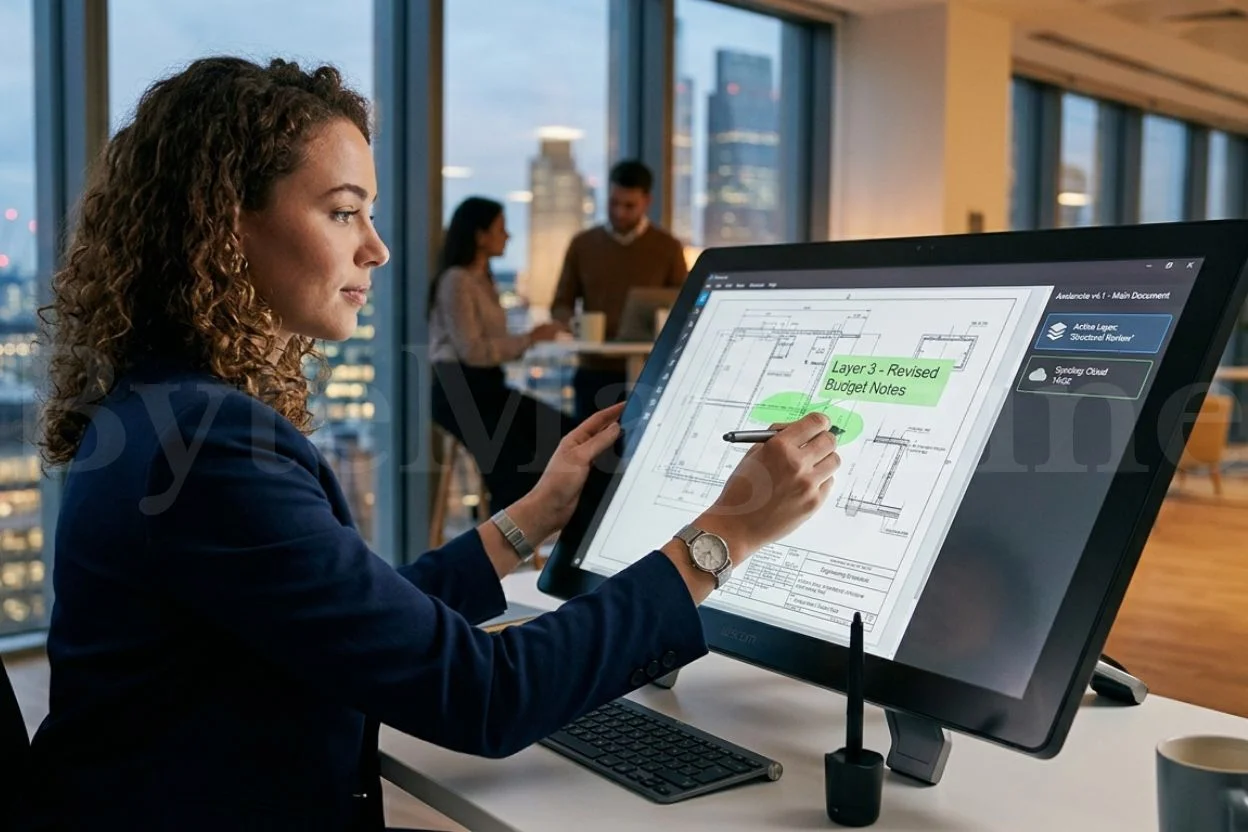

Workplace management ewmagwork might sound like a buzzword salad at first, but it’s actually one of the most practical and powerful concepts in modern business operations. Think of it as the art and science of making your physical and digital workspaces work for your people, not against them. Whether you run a small creative agency or a multinational corporation, how you manage your workplace directly impacts employee satisfaction, operational costs, and even your bottom line.
Let’s be real: nobody wants to show up to an office where desks are always full, meeting rooms are double-booked, or the Wi-Fi drops every hour. That’s where effective workplace management ewmagwork comes into play. It covers everything from desk booking software and space utilization analytics to cleaning schedules and air quality sensors. In this guide, we’ll break down why this matters, how to implement it without pulling your hair out, and what the future looks like for smart, human-centric offices.
Why Traditional Workplace Management Is Failing You
The old way of managing offices relied on sticky notes, spreadsheets, and a whole lot of guesswork. Facilities managers would walk around with clipboards, count empty chairs, and then make decisions based on incomplete data. That approach is not only outdated but also expensive. When you don’t know how your space is actually being used, you end up paying for unused square footage, overstaffed janitorial teams, and energy bills that light up empty rooms.
Workplace management ewmagwork flips that script by giving you real-time, actionable insights. Imagine knowing exactly which conference rooms are in high demand on Tuesday afternoons or which floor stays mostly empty on Fridays. With that information, you can reduce your real estate footprint, renegotiate leases, or redesign layouts to match actual behavior. Companies that ignore this shift are literally burning cash every month—and their employees feel the frustration of a space that doesn’t fit their needs.
The Core Pillars of Effective Workplace Management ewmagwork
To truly master workplace management ewmagwork, you need to understand its building blocks. These aren’t just nice-to-have features; they are the foundation of any modern workplace strategy. First, there’s space management—tracking how every desk, room, and common area is used. Second, occupancy analytics collects data from sensors, Wi-Fi signals, or check-in systems to show peak times and underused zones. Third, resource scheduling handles everything from parking spots to projectors and even coffee machines.
Then comes maintenance and cleaning, which smart workplace management ewmagwork systems can trigger based on actual usage rather than a fixed calendar. For example, a restroom near a busy team area gets cleaned twice as often as one in a low-traffic wing. Finally, employee experience tools like wayfinding apps, room displays, and feedback kiosks tie it all together. When these pillars work in harmony, you get a workplace that feels effortless to use and easy to run.
How Technology Powers Modern Workplace Management ewmagwork
You can’t talk about workplace management ewmagwork without diving into the tech stack that makes it possible. Internet of Things (IoT) sensors are the unsung heroes here. They can detect motion, temperature, humidity, and even desk occupancy without invading privacy. These tiny devices send data to a central platform where algorithms spot patterns a human would never see. For instance, one company discovered that their entire fourth floor was only 15% occupied on Wednesdays, so they shut down the HVAC system there and saved thousands per month.
Then there’s integrated workplace management systems (IWMS) that bring everything under one roof. Leading platforms combine real estate management, maintenance requests, capital project planning, and sustainability tracking. When you search for “workplace management ewmagwork” solutions, look for features like mobile check-ins, hot-desking maps, and integration with your calendar system (Google Workspace or Microsoft 365). The best part? Employees don’t need training—they just open an app, see available desks, and book a spot in seconds.
Space Optimization: Doing More with Less
One of the biggest wins from solid workplace management ewmagwork is space optimization. Before the pandemic, most offices were designed for 100% attendance every day. Now, with hybrid schedules, many desks sit empty 40–60% of the time. That’s a massive waste. But simply cutting space without data is risky—you might end up with overcrowded “all-hands” days. The smart approach uses historical and real-time data to find the sweet spot.
Let’s look at a real example. A marketing firm with 500 employees moved from a 50,000 sq ft office to 35,000 sq ft after implementing workplace management ewmagwork analytics. They discovered that only 65% of desks were ever used on peak days. By introducing a mandatory desk-booking system and removing fixed assignments, they freed up space for collaboration zones, a quiet library, and even a nap room. Their lease savings covered the software cost in less than six months. That’s the power of knowing your numbers.
Employee Experience and Workplace Management ewmagwork
Here’s a truth bomb: No matter how efficient your operations are, if your employees hate coming to the office, you’ve failed. Workplace management ewmagwork isn’t just about cutting costs; it’s about creating an environment where people actually want to work. That means fast Wi-Fi, comfortable chairs, good lighting, and noise control. But it also means giving employees autonomy over where and how they work. A forced seating chart feels like high school; a flexible system feels like freedom.
Forward-thinking companies use workplace management ewmagwork tools to let employees see who’s sitting where, find colleagues with specific skills, or reserve quiet pods for deep work. Some platforms even integrate with Slack or Teams, so you can type “find me a desk near Sarah from design” and get an instant map. When people feel in control of their environment, they’re more engaged, less stressed, and more productive. And that’s a metric that directly affects retention and recruiting.
The Financial Case: ROI of Workplace Management ewmagwork
Let’s talk dollars and cents because that’s what gets executives to sign off on new software. Real estate is usually the second-largest expense for a company after salaries. If you can reduce your footprint by even 15%, the savings are enormous. A typical workplace management ewmagwork platform costs between $3 and $10 per user per month, depending on features. For a 1,000-person company, that’s $36,000 to $120,000 annually. Now compare that to the cost of leasing an extra 10,000 square feet—easily $300,000 or more per year in most cities.
Beyond real estate, there are energy savings, lower cleaning costs, and reduced wear and tear on furniture and equipment. One study found that companies using workplace management ewmagwork cut their utility bills by 18% on average because they turned off lights and HVAC in unused zones. Plus, you avoid costly expansions or buildouts when you grow, because you know exactly how much slack is in your current space. When you present these numbers to the CFO, it’s not a “nice to have”—it’s a no-brainer.
Common Pitfalls and How to Avoid Them
Even the best workplace management ewmagwork strategy can fail if you make these mistakes. The first big one is ignoring change management. You can’t just install sensors and send a passive-aggressive email saying “Book your desk or else.” People need training, clear benefits, and a little patience. Start with a pilot team, gather feedback, and make adjustments. The second pitfall is choosing the wrong KPIs. Don’t just measure how many desks are booked; measure how many people actually show up, how long they stay, and which zones they prefer.
Another common mistake is data paralysis—collecting so much information that you never act on it. Good workplace management ewmagwork systems should send automated alerts and recommendations, like “Meeting room 3B has been empty for 45 minutes—release it for others.” Finally, avoid siloed decision-making. Involve HR, IT, finance, and operations from day one. If IT doesn’t help with network security for your sensors, or HR resists flexible seating, your project will stall. Get everyone on the same page early.
Hybrid Work and the New Role of Workplace Management
Hybrid work isn’t a trend; it’s the new baseline. And that changes everything for workplace management ewmagwork. When people split their time between home and office, you can’t rely on assigned desks or static floor plans anymore. Instead, you need activity-based working (ABW) where different zones support different tasks. Need to brainstorm? Go to the open collaboration area. Need to join a video call? Use a phone booth. Need absolute silence? Head to the library zone.
Workplace management ewmagwork software is the nervous system of ABW. It shows real-time occupancy, allows advance or same-day booking, and even suggests alternative spots when your preferred desk is taken. Some advanced systems use machine learning to predict demand based on calendar data. For example, if the sales team has a remote training day, the system might close one wing and open up another. This dynamic approach keeps your office feeling alive without ever feeling crowded or empty.
Sustainability and Green Workplace Management
Going green is good for the planet and great for your brand. Workplace management ewmagwork can be a powerful ally in reducing your carbon footprint. Start with energy management: occupancy sensors turn off lights and adjust temperature when rooms are empty. You’d be shocked how much electricity is wasted on nights and weekends. Next, reduce waste by tracking how many disposable cups, paper towels, or printer cartridges are used. Some platforms even integrate with smart bins that alert custodians when they’re full, cutting down on unnecessary plastic liner changes.
Water conservation is another area where workplace management ewmagwork shines. Smart faucets and leak detectors can save thousands of gallons per year. And when you’re ready to report your sustainability metrics (for ESG or B Corp certification), the data is right there. One law firm reduced its energy use by 24% in the first year of implementing smart workplace controls. Their clients loved it, and they won a green business award. So yes, you can save money, help the environment, and look good doing it—all with the right approach.
Data Privacy and Ethical Considerations
With great data comes great responsibility. Workplace management ewmagwork tools collect a lot of information: who sits where, when they arrive and leave, which rooms they book, and sometimes even how often they use the coffee machine. That can feel invasive if not handled correctly. The best practice is to use aggregated, anonymized data for space planning and only keep individual-level data for things like desk reservations (which users opt into voluntarily).
Never use occupancy data to track employee attendance or performance. That’s a fast track to low morale and potential legal trouble. Be transparent: tell people exactly what sensors are doing, how long you keep data, and who has access. Many workplace management ewmagwork platforms now include privacy dashboards where employees can see their own data and opt out of certain tracking features. When people trust the system, they actually use it. When they don’t, they’ll find workarounds, and your data becomes useless.
Future Trends in Workplace Management ewmagwork
What’s next? Artificial intelligence is already starting to transform workplace management ewmagwork. Imagine an AI assistant that reallocates rooms on the fly when a VIP client visit is rescheduled, or that automatically books a quiet zone for a developer who’s flagged as “focus mode” in their calendar. Digital twins—virtual replicas of your physical office—are becoming more common. You can run simulations to see what happens if you add 50 new hires or remove a wall before you spend a dime on construction.
Another trend is the integration of wellness and biophilic design. Future workplace management ewmagwork systems will monitor air quality, noise levels, and natural light, then suggest adjustments. If CO2 levels rise in a meeting room, the system opens a vent. If the afternoon sun creates glare, smart blinds lower automatically. We’re also seeing more voice-activated controls: “Hey office, find me a desk with a standing converter near the window.” It sounds sci-fi, but it’s already rolling out in leading tech campuses.
Step-by-Step Implementation Guide
Ready to get started with workplace management ewmagwork? Here’s a practical roadmap. First, audit your current space. Walk every floor, count seats, note which areas feel busy or dead. Talk to employees anonymously—what do they hate or love about the office? Second, set clear goals. Do you want to reduce square footage by 20%? Increase collaboration room usage by 50%? Lower energy bills by 15%? Be specific.
Third, choose your technology. Request demos from at least three vendors. Ask about integration with your existing stack (Slack, Teams, Outlook, etc.), mobile app quality, and customer support. Fourth, run a pilot for 4–6 weeks in one department or on one floor. Measure adoption rates, gather feedback, and tweak your policies. Fifth, roll out company-wide with a fun campaign—maybe a “desk-booking contest” with prizes. Finally, review your workplace management ewmagwork data monthly and adjust as needed. This isn’t a set-it-and-forget-it project; it’s a continuous improvement cycle.
Key Metrics to Track for Success
You can’t improve what you don’t measure. Here are the essential metrics for workplace management ewmagwork. Utilization rate: the percentage of seats or rooms occupied at a given time. A healthy office has peak utilization around 70–80%; anything above that feels crowded, below 50% means you have too much space. Check-in compliance: how many people who book a desk actually show up? Low compliance means you need better enforcement or a simpler system.
Other important metrics include cost per square foot, energy intensity (kWh per square foot), employee satisfaction scores (from pulse surveys), and meeting room release rate (how often rooms are booked but left empty). Also track maintenance request response time and cleaning efficiency. Good workplace management ewmagwork dashboards will visualize these trends over days, weeks, and months. Share these numbers openly with your team—transparency builds trust and motivates improvement.
Case Study: How a Mid-Sized Tech Firm Saved $500K
Let me tell you about a real client (name changed for privacy). CloudLogix had 800 employees spread across three floors in a downtown office tower. Their lease was up for renewal, and the CFO wanted to downsize but had no data. They implemented workplace management ewmagwork with occupancy sensors and a desk-booking app. Within three months, they discovered that actual peak occupancy was only 62%—even on “mandatory in-office” days.
The data showed that the entire third floor was a ghost town on Mondays and Fridays. They moved to a 4-day hybrid model with no assigned seating, released 40% of their lease, and redesigned the remaining space to include more phone booths and breakout areas. Total savings: $512,000 per year. Plus, employee satisfaction scores went up because people finally had quiet spaces for deep work. The VP of Operations told me, “Workplace management ewmagwork paid for itself in 47 days. I wish we’d done it years ago.”
Integrating with Other Business Systems
Your workplace management ewmagwork platform shouldn’t live in a bubble. For maximum value, integrate it with your HRIS (so you know who’s actually employed and their work schedule), your IT asset management (to track laptops and monitors), and your visitor management system (to pre-book spaces for guests). Some companies even connect it with their ERP for automated invoicing of departments based on space usage. This is called a “chargeback model,” and it encourages responsible use of resources.
Integration with your calendar system is non-negotiable. When someone creates a meeting in Outlook or Google Calendar, the system should automatically suggest an available room and release it if the meeting is canceled. Also look for API access—custom integrations with your internal tools can unlock powerful automations. For instance, when a new hire starts, their manager’s workplace management ewmagwork dashboard could automatically show available desks near their team. That’s the kind of seamless experience that makes people say, “Wow, this actually works.”
The Human Side: Training and Culture
Software is only half the battle. The other half is helping your people adopt new habits. Run short workshops on how to use the workplace management ewmagwork app—focus on the benefits like “no more hunting for a seat” and “see where your friends are sitting.” Create simple one-page guides with screenshots. Appoint “floor champions” who are enthusiastic about the system and can help coworkers with questions.
Culture matters more than tech. If you have a top-down, controlling culture, people will resist any system that feels like surveillance. But if you frame workplace management ewmagwork as a tool for freedom and fairness (“Now everyone gets a good desk, not just the early birds”), adoption soars. Celebrate wins publicly: “Thanks to your booking data, we’re adding 20 more phone booths!” And always have a feedback loop—a simple form or Slack channel where people can suggest improvements. When employees feel heard, they become your best advocates.
Accessibility and Inclusivity in Workplace Management
A truly modern workplace works for everyone, including people with disabilities. Workplace management ewmagwork tools should be screen-reader friendly, offer high-contrast modes, and allow for alternative input methods. When mapping your office, make sure accessible desks (with adjustable heights and extra legroom) are clearly marked. The same goes for wheelchair-friendly meeting rooms, quiet spaces for neurodivergent employees, and lactation rooms for new parents.
Inclusive design also means considering cultural and religious needs. For example, some employees may need a prayer space or a room for nursing. Your workplace management ewmagwork system should allow booking these spaces with the same ease as a conference room, without requiring special permission. And when you run reports, check that no group is being systematically excluded. If all the accessible desks are in a noisy area, that’s a problem. Data helps you spot and fix these issues.
Legal and Compliance Considerations
Depending on your industry and location, workplace management ewmagwork may intersect with legal requirements. For example, fire codes mandate certain occupancy limits per room—your system should enforce those limits automatically. In healthcare or finance, you might have data privacy regulations that restrict where sensitive conversations can happen. Some platforms allow you to tag rooms as “confidential” and only let authorized people book them.
Also consider labor laws around breaks and maximum working hours. If your system tracks when people check in and out, be very careful not to use that data for wage calculations unless explicitly agreed upon. In the European Union, GDPR requires explicit consent for any biometric or location tracking. Always work with your legal team before deploying workplace management ewmagwork tools that collect personal data. When in doubt, anonymize everything and give users an opt-out. A little caution now saves huge headaches later.
Mobile First: Managing on the Go
Your facilities team isn’t chained to a desktop. That’s why any decent workplace management ewmagwork solution has a robust mobile app. Managers should be able to see live occupancy maps, approve maintenance requests, or adjust HVAC zones from their phone. Employees want to book a desk while riding the subway or find an available charger without walking five floors. The app should be fast, intuitive, and work offline (for those basement meeting rooms with no signal).
Push notifications are a powerful feature. Remind people to release a desk if they’re running late, alert them when their favorite spot opens up, or notify them that a meeting room will be locked in 10 minutes for cleaning. Some advanced workplace management ewmagwork apps even include indoor navigation with blue dots, like Google Maps for your office. That’s a lifesaver for new hires or visitors. Test the mobile experience thoroughly—if it’s clunky, people will revert to paper or spreadsheets, and you lose all your data.
The Role of Community and Social Spaces
Workplace management ewmagwork isn’t just about desks and meeting rooms; it’s also about fostering connection. After all, the main reason people come to the office is to see colleagues. That means your strategy must include social zones: coffee bars, lounge areas, game rooms, or even outdoor terraces. But these spaces also need management. How do you prevent the lunch area from being overrun by people taking calls? How do you ensure the ping-pong table isn’t distracting those trying to work?
Smart zoning and scheduling come to the rescue. Use workplace management ewmagwork to designate “quiet hours” in certain zones, or require booking for large social events. Some companies create “collision spaces” intentionally designed for chance encounters—like a central staircase or a long communal table. Track how often these areas are used. If nobody ever sits on the expensive new couches, move them. The goal is to create an ecosystem of spaces that support both focused work and genuine human interaction.
Overcoming Resistance from Leadership
Sometimes the biggest barrier to workplace management ewmagwork isn’t technology or employees—it’s senior leaders who don’t see the value. They might say, “We’ve managed without this for 20 years,” or “It’s just a fad.” To win them over, speak their language: risk and return. Show them a simple spreadsheet comparing current real estate costs versus optimized costs. Cite competitors who have already made the switch. Offer to run a free trial in just one department and report back the results.
Another tactic is to appeal to their pain points. Does the CEO hate walking into a meeting room that’s been double-booked? Does the CFO wince at utility bills? Does the COO struggle with maintenance requests falling through the cracks? Workplace management ewmagwork solves all of those. Share a short case study from a similar-sized company in their industry. Sometimes, all it takes is one concrete example of money saved or a headache removed. Once you get one champion in the C-suite, the rest often follow.
Conclusion
Mastering workplace management ewmagwork is no longer optional—it’s a competitive necessity. From slashing real estate costs and energy bills to boosting employee happiness and sustainability, the benefits are too large to ignore. The key is to start small, focus on data-driven decisions, and always keep the human experience at the center. Technology is just a tool; the real magic happens when your workspace feels intuitive, flexible, and respectful of how people actually work.
Remember, you don’t need to boil the ocean. Begin with an honest audit of your current space, pick one or two metrics to improve, and choose a workplace management ewmagwork platform that fits your culture and budget. Pilot, learn, and iterate. Within a year, you’ll wonder how you ever managed without it. The future of work is hybrid, dynamic, and smart—and with the right approach, your workplace can lead the way.
FAQ: Workplace Management ewmagwork
H3: What exactly is workplace management ewmagwork?
Workplace management ewmagwork refers to the strategic use of software, sensors, and processes to optimize how physical office spaces are used, maintained, and experienced. It covers everything from desk booking and room scheduling to energy management, cleaning based on actual usage, and employee wayfinding. The goal is to reduce waste, improve productivity, and create a better work environment for everyone.
H3: How much does a workplace management ewmagwork system typically cost?
Pricing varies widely based on features and company size. Entry-level solutions start around $3 per user per month for basic desk booking and analytics. Mid-range platforms with IoT integration, mobile apps, and advanced reporting run $8–15 per user per month. Enterprise systems with digital twins, custom APIs, and dedicated support can exceed $20 per user per month. Most vendors offer free trials or pilot programs, so you can test before committing.
H3: Can workplace management ewmagwork work for a fully remote or fully in-office company?
Absolutely. For fully in-office companies, workplace management ewmagwork helps maximize space utilization, reduce energy waste, and streamline maintenance. For fully remote companies, it’s less relevant, but if you have any shared coworking spaces or occasional in-person meetings, you can still use it for room booking and visitor management. The biggest value, however, is for hybrid models where attendance varies day to day.
H3: What are the top five features to look for in workplace management ewmagwork software?
Look for real-time occupancy sensors (or integration with Wi-Fi/Bluetooth), a user-friendly mobile app for desk and room booking, integration with Microsoft 365 or Google Calendar, detailed analytics dashboards with exportable reports, and automated alerts for no-shows or maintenance issues. Bonus features include indoor mapping, air quality monitoring, and API access for custom integrations.
H3: How do I convince my team to actually use workplace management ewmagwork tools?
Start with transparency and incentives. Explain exactly what data is collected and how it benefits them (e.g., no more stolen desks). Run a friendly competition where the team with the highest booking compliance wins a lunch. Provide easy tutorials and quick support. Most importantly, lead by example—managers and executives should use the system visibly. If people see the boss booking a desk, they’ll follow suit.
H3: Is workplace management ewmagwork suitable for small businesses with under 50 employees?
Yes, but with scaled-down expectations. Many vendors offer “light” versions for small teams. Even with 20 people, you can benefit from meeting room scheduling, hot-desking for part-timers, and basic occupancy tracking. The ROI might be smaller in absolute dollars, but as a percentage of your real estate spend, it can still be significant. Start with a free or low-cost tool like Google Calendar’s room booking feature, then upgrade as you grow.
H3: What’s the difference between workplace management ewmagwork and facility management?
Facility management traditionally focuses on the physical assets of a building: HVAC, electrical, plumbing, cleaning, security. Workplace management ewmagwork is broader—it includes those things but adds people-centric elements like desk booking, collaboration analytics, employee experience, and hybrid work policies. Think of facility management as the “building’s health” and workplace management as the “people’s experience inside that building.”
Table: Quick Comparison of Workplace Management ewmagwork Vendors
| Feature | Vendor A (Basic) | Vendor B (Mid-Tier) | Vendor C (Enterprise) |
|---|---|---|---|
| Desk booking | Yes | Yes | Yes |
| Room scheduling | Limited | Yes | Yes |
| Occupancy sensors | No | Optional | Included |
| Mobile app | Basic | Full-featured | Full + offline mode |
| Calendar integration | Google only | Google + MS365 | All major + custom |
| API access | No | Yes | Full REST API |
| Analytics reports | Pre-built only | Custom dashboards | AI-powered insights |
| Price per user/month | $3–5 | $8–12 | $15–25 |
Quote from a real facilities director: “Before workplace management ewmagwork, we were flying blind. We thought we needed more space, but the data showed we actually had empty desks on every floor. We saved $200,000 in avoided expansion costs. That’s not a small win—that’s a career-making result.” — Jamie L., Head of Workplace Operations