Introduction to Jablje
Jablje is a name that sparks curiosity for many people who encounter it for the first time. While it may not be as widely recognized as some famous European destinations, Jablje carries a unique identity that reflects history, culture, and local traditions. Places like Jablje often offer a deeper and more authentic experience than crowded tourist hotspots, making them especially appealing to travelers and history enthusiasts.
The significance of Jablje goes beyond its name. It represents a connection to regional heritage and the stories of generations who have lived, worked, and built communities there. Every village, town, or historical location has a narrative, and Jablje is no exception. Understanding its background helps reveal the rich cultural fabric that has shaped the area over time.
In recent years, interest in lesser-known destinations has increased as travelers seek meaningful experiences. Jablje fits perfectly into this trend, offering an opportunity to discover traditions, architecture, and landscapes that remain largely untouched by mass tourism. Its charm lies in its authenticity and the sense of connection it provides to local history.
The Historical Background of Jablje
The history of Jablje is rooted in centuries of development and cultural influence. Like many European settlements, it evolved through different historical periods, each leaving its mark on the region. Historical records, local traditions, and preserved landmarks all contribute to our understanding of how Jablje developed into what it is today.
Throughout history, communities in areas such as Jablje often relied on agriculture, trade, and craftsmanship. These economic activities shaped daily life and fostered strong social bonds among residents. The rhythm of life was closely connected to the surrounding environment, creating traditions that were passed down from one generation to the next.
Many historical sites associated with Jablje continue to attract attention because they provide insight into earlier ways of life. Old buildings, cultural monuments, and local stories serve as reminders of the region’s journey through time. Preserving these elements helps maintain a connection between the past and the present, ensuring that future generations can appreciate their heritage.
Cultural Importance of Jablje
Culture is one of the most fascinating aspects of Jablje. Local customs, celebrations, and traditions reflect the values and experiences of the people who have lived there for generations. These traditions often play a central role in community life, bringing residents together and strengthening social connections.
Festivals and seasonal events are particularly important in preserving cultural identity. They provide opportunities for people to celebrate their heritage while sharing it with visitors. Music, dance, and traditional cuisine frequently form part of these gatherings, creating memorable experiences for everyone involved.
The cultural richness of Jablje is also reflected in its storytelling traditions. Oral histories, folklore, and local legends help keep the community’s past alive. These stories often contain valuable lessons and insights into historical events, making them an important part of the region’s cultural legacy.
Natural Beauty and Surroundings
One of the most appealing features of Jablje is its natural environment. The surrounding landscapes often showcase the beauty of the region, offering a peaceful setting that contrasts with the fast pace of modern urban life. Rolling hills, green spaces, and scenic views contribute to the area’s attractiveness.
Nature has always played an important role in shaping local lifestyles. Residents historically depended on the land for farming, food production, and economic stability. This close relationship with nature fostered a strong appreciation for environmental stewardship and sustainable practices.
Visitors who enjoy outdoor activities may find Jablje particularly rewarding. Walking trails, photography opportunities, and quiet areas for relaxation allow people to connect with nature while exploring the region. The natural beauty of the area enhances its overall appeal and makes it a worthwhile destination for those seeking tranquility.
Architecture and Local Heritage
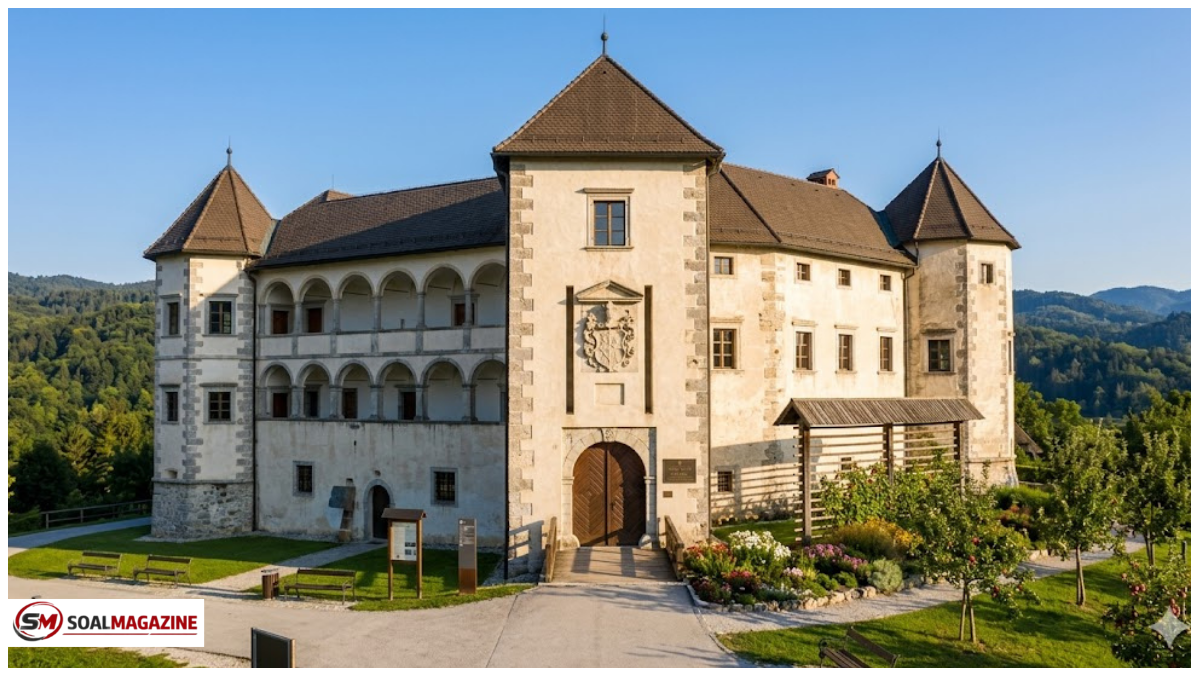
The architectural character of Jablje provides valuable insight into its history and cultural development. Traditional buildings often reflect local craftsmanship, construction methods, and design preferences that have evolved over many years. These structures serve as tangible links to the past.
Historic homes, churches, and community buildings frequently showcase architectural details that reveal the influence of different historical periods. Materials sourced from the local environment were often used in construction, resulting in buildings that harmonized with the surrounding landscape.
Preserving architectural heritage is important because it helps maintain the unique identity of Jablje. Restoration projects and conservation efforts ensure that these structures remain part of the community for future generations. They also provide educational opportunities for visitors interested in history, design, and cultural preservation.
Why Jablje Continues to Attract Interest
The growing interest in destinations like Jablje reflects a broader appreciation for authenticity and cultural depth. Many travelers today seek experiences that go beyond traditional sightseeing. They want to understand local customs, interact with communities, and explore places with genuine character.
Jablje offers precisely this type of experience. Its combination of historical significance, cultural traditions, and natural beauty creates a well-rounded destination that appeals to a variety of interests. Whether someone is passionate about history, architecture, nature, or local culture, there is something meaningful to discover.
Another reason for Jablje’s appeal is its ability to provide a slower and more reflective travel experience. Unlike heavily commercialized destinations, it encourages visitors to take their time, observe their surroundings, and appreciate the details that make the area unique. This approach often results in more memorable and rewarding journeys.
Conclusion
Jablje stands as an excellent example of how smaller and lesser-known locations can offer remarkable value and insight. Its rich history, vibrant cultural traditions, beautiful natural surroundings, and distinctive architectural heritage combine to create a destination that deserves greater recognition.
Exploring Jablje is not merely about visiting a place; it is about connecting with stories, traditions, and landscapes that have been shaped over generations. The area’s authenticity provides a refreshing alternative to more crowded destinations and allows visitors to experience a deeper sense of place.
As interest in cultural and heritage tourism continues to grow, Jablje is likely to attract increasing attention from travelers seeking meaningful experiences. Its enduring charm and historical significance ensure that it remains a fascinating subject of exploration for years to come.