
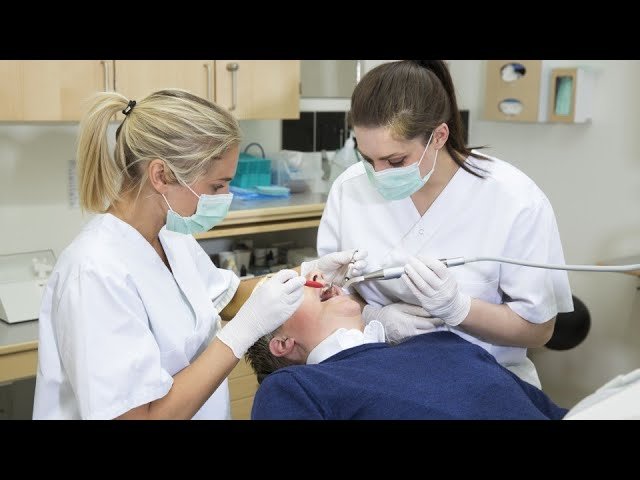
xYour oral health plays a vital role in your overall well-being. Healthy teeth and gums not only give you a confident smile but also help you eat comfortably, speak clearly, and avoid serious health complications. That’s why finding the best dentist is one of the most important decisions you can make for yourself and your family.
Many people only visit a dentist when they experience severe tooth pain or other dental emergencies. Unfortunately, waiting until problems become browse around this site painful often leads to more complex and costly treatments. A trusted dentist focuses on prevention, early diagnosis, and personalized care to keep your smile healthy for years to come.
In this article, we’ll explore why choosing the right dentist matters, how it impacts your oral health, and what qualities you should look for when selecting a dental professional.
The Connection Between Oral Health and Overall Health
Your mouth is more than just a place for your teeth—it’s closely connected to your entire body. Poor oral hygiene can increase the risk of several health conditions, including:
- Gum disease
- Tooth decay
- Heart disease
- Diabetes complications
- Respiratory infections
- Pregnancy-related oral issues
Regular dental checkups help identify problems before they become serious, protecting both your smile and your general health.
Why the Best Dentist Makes a Difference
Not every dental clinic offers the same level of care. The best dentists combine experience, advanced technology, and compassionate service to provide patients with a comfortable and effective treatment experience.
Here are some reasons why choosing the right dentist matters.
Early Detection of Dental Problems
Many dental issues develop slowly without causing noticeable pain.
An experienced dentist can identify early signs of:
- Cavities
- Gum disease
- Tooth fractures
- Oral infections
- Enamel erosion
- Oral cancer
Early treatment is usually quicker, less expensive, and far more comfortable than dealing with advanced dental problems.
Better Preventive Care
Prevention is always better than treatment.
The best dentists focus on helping patients avoid dental issues through regular examinations, professional cleanings, fluoride treatments, and personalized oral hygiene advice.
Preventive care can help you:
- Reduce cavities
- Protect your gums
- Prevent tooth loss
- Save money on future treatments
- Maintain fresh breath
Personalized Treatment Plans
Every patient has different dental needs.
Some people require orthodontic treatment, while others need cosmetic procedures or restorative care. A skilled dentist carefully evaluates your oral health before recommending treatments that fit your goals, lifestyle, and budget.
This personalized approach leads to better long-term results.
Services Offered by the Best Dentists
A high-quality dental clinic typically provides a wide range of services under one roof.
Preventive Dentistry
Preventive care forms the foundation of healthy teeth.
Common services include:
- Routine dental exams
- Professional cleanings
- Digital X-rays
- Fluoride applications
- Dental sealants
- Oral cancer screenings
Regular preventive visits reduce the likelihood of major dental procedures later.
Restorative Dentistry
When teeth become damaged, restorative treatments restore both appearance and function.
Popular procedures include:
- Tooth-colored fillings
- Dental crowns
- Bridges
- Root canal therapy
- Dentures
- Tooth extractions
These treatments allow patients to eat, speak, and smile comfortably again.
Cosmetic Dentistry
Many people want more than healthy teeth—they also want a beautiful smile.
Cosmetic services often include:
- Professional teeth whitening
- Porcelain veneers
- Dental bonding
- Smile makeovers
- Tooth contouring
A confident smile can positively impact both personal and professional life.
Emergency Dental Care
Dental emergencies rarely happen at convenient times.
The best dentists provide prompt treatment for:
- Severe toothaches
- Broken teeth
- Knocked-out teeth
- Dental abscesses
- Lost crowns or fillings
Quick treatment helps reduce pain and prevent complications.
Characteristics of the Best Dentist
Finding the right dentist requires looking beyond location or price.
Here are the qualities that truly matter.
Experience and Expertise
Dentists with years of experience often diagnose problems more accurately and perform treatments with greater confidence.
Continuing education is equally important because dental technology continues to improve every year.
Excellent Communication
A great dentist explains every procedure in clear, simple language.
Patients should always understand:
- Their diagnosis
- Treatment options
- Expected results
- Recovery process
- Preventive recommendations
Good communication reduces anxiety and builds trust.
Comfortable Environment
Many people experience dental anxiety.
A welcoming clinic with friendly staff, clean treatment rooms, and a calming atmosphere helps patients feel relaxed throughout their visit.
Children especially benefit from a positive dental experience.
Modern Technology
Advanced dental equipment improves diagnosis and treatment accuracy.
Examples include:
- Digital X-rays
- 3D scanners
- Laser dentistry
- Intraoral cameras
- Digital impressions
These technologies often make treatments faster, safer, and more comfortable.
How Regular Dental Visits Improve Your Health
Many dental diseases develop without symptoms during their early stages.
Routine checkups allow your dentist to:
- Monitor oral health
- Remove plaque buildup
- Detect cavities early
- Check for gum disease
- Screen for oral cancer
- Recommend preventive treatments
Most people should schedule dental visits every six months unless advised otherwise.
Tips for Maintaining Healthy Teeth
Visiting the best dentist is only part of maintaining excellent oral health.
Daily habits matter just as much.
Brush Twice Every Day
Use fluoride toothpaste and brush for at least two minutes each morning and evening.
Floss Daily
Floss removes plaque from areas your toothbrush cannot reach.
Eat Tooth-Friendly Foods
Choose foods rich in:
- Calcium
- Vitamin D
- Phosphorus
- Fresh fruits
- Vegetables
Limit sugary snacks and soft drinks whenever possible.
Drink Plenty of Water
Water helps rinse away bacteria and keeps your mouth hydrated throughout the day.
Avoid Tobacco Products
Smoking and tobacco use significantly increase the risk of gum disease, tooth loss, and oral cancer.
Quitting tobacco greatly benefits both oral and overall health.
Common Mistakes That Harm Oral Health
Many people unknowingly damage their teeth through everyday habits.
Avoid these mistakes:
- Skipping dental appointments
- Brushing too aggressively
- Ignoring bleeding gums
- Using teeth as tools
- Consuming excessive sugary drinks
- Waiting until pain becomes severe
Small changes in daily habits can protect your smile for years.
How to Choose the Best Dentist
Before selecting a dental clinic, consider the following factors:
- Read online patient reviews
- Verify professional credentials
- Visit the clinic
- Ask about available services
- Check emergency care availability
- Confirm insurance and payment options
- Observe cleanliness and professionalism
Taking time to research helps ensure you receive high-quality care.
The Long-Term Benefits of Choosing the Right Dentist
Building a lasting relationship with an experienced dentist offers many advantages.
These include:
- Healthier teeth and gums
- Lower risk of major dental procedures
- Earlier disease detection
- Consistent preventive care
- Greater confidence in your smile
- Better overall quality of life
Your dentist becomes a trusted healthcare partner who helps you maintain lifelong oral health.
Conclusion
Finding the best dentist isn’t simply about convenience—it’s an investment in your long-term health and well-being. A skilled dental professional provides preventive care, detects problems early, and creates personalized treatment plans that protect your smile for years to come.
Don’t wait until a dental problem becomes painful. Schedule regular checkups, practice good oral hygiene at home, and choose a dentist who prioritizes your comfort and overall health. A healthy smile isn’t just about appearance—it’s an essential part of living a healthier, happier life.
Frequently Asked Questions (FAQs)
1. Why is choosing the best dentist important?
The best dentist helps prevent dental problems, detects issues early, provides personalized treatment, and supports your long-term oral health.
2. How often should I visit a dentist?
Most people should visit a dentist every six months for a routine checkup and professional cleaning. Some patients may need more frequent visits based on their oral health.
3. Can poor oral health affect my overall health?
Yes. Poor oral health has been linked to conditions such as gum disease, heart disease, diabetes complications, and respiratory infections.
4. What qualities should I look for in a dentist?
Look for experience, proper qualifications, positive patient reviews, modern technology, clear communication, and a clean, welcoming clinic.
5. What services does a good dentist typically provide?
A quality dentist offers preventive care, restorative treatments, cosmetic dentistry, emergency dental services, and oral health education.
6. How can I maintain healthy teeth between dental visits?
Brush twice daily, floss every day, eat a balanced diet, drink plenty of water, avoid tobacco products, and attend regular dental checkups.
7. Is preventive dental care really worth it?
Absolutely. Preventive care helps detect problems early, reduces treatment costs, lowers the risk of serious dental issues, and keeps your smile healthy.
8. Can regular dental visits improve my overall quality of life?
Yes. Healthy teeth and gums improve eating, speaking, self-confidence, and overall health while reducing the likelihood of painful dental emergencies.