
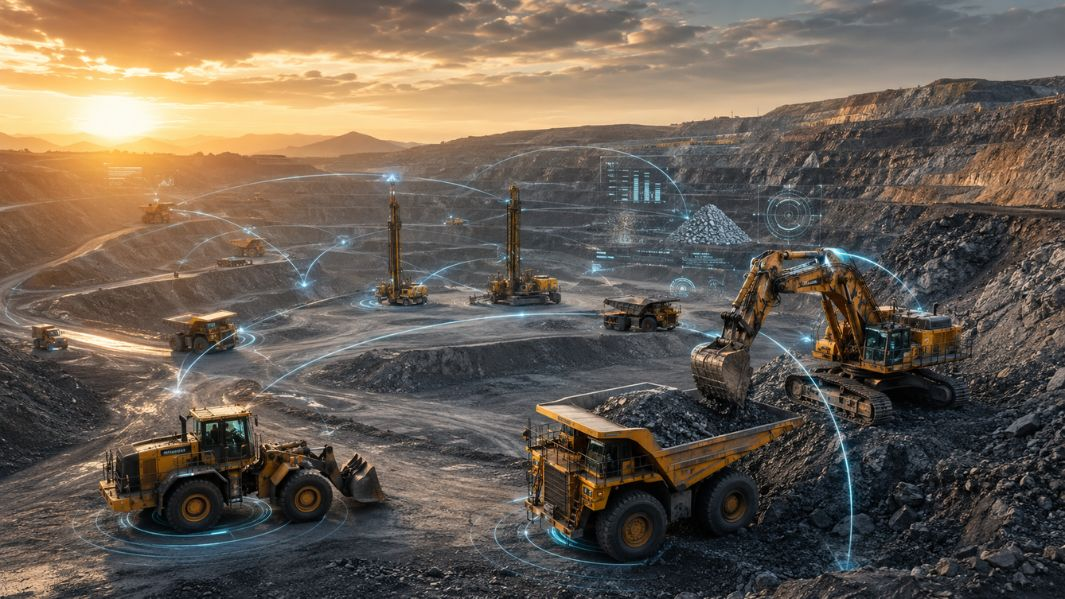
Introduction to Maschinenring Mining
The term maschinenring mining has gained attention among people interested in industrial services, technology, and resource management. While the phrase may sound highly specialized, it combines concepts related to machinery networks, cooperative operations, and mining activities. Understanding how these elements work together can help businesses and individuals appreciate the growing role of machinery-sharing systems in modern industries.
Traditionally, mining operations required significant investments in equipment, labor, and maintenance. Companies often had to purchase expensive machinery even when it was only needed for specific projects. This approach increased operational costs and reduced flexibility. Over time, industries began exploring cooperative models that could improve efficiency and reduce financial burdens.
Maschinenring-inspired systems introduced a practical solution by promoting shared access to machinery and resources. This concept has influenced various sectors, including agriculture, construction, and mining. Today, the idea of maschinenring mining represents a modern approach to equipment utilization, operational collaboration, and cost optimization.
The Origins and Evolution of Maschinenring Concepts
The Maschinenring model originally emerged as a cooperative framework designed to help businesses and workers share machinery. The primary goal was to maximize equipment usage while minimizing ownership costs. Instead of each organization investing in identical machinery, participants could access equipment through a shared network.
Over the years, the model proved highly effective in industries where machinery represented a major financial commitment. Organizations discovered that sharing resources not only lowered expenses but also improved operational flexibility. Equipment could be allocated where it was needed most, reducing idle time and increasing productivity.
As technology advanced, the concept evolved beyond its traditional roots. Digital platforms, scheduling software, and data management systems made resource sharing easier and more efficient. These innovations opened the door for applying Maschinenring principles to mining operations, where equipment utilization plays a critical role in profitability.
How Maschinenring Mining Works
Maschinenring mining operates on the principle of collaborative equipment usage. Instead of individual companies purchasing every piece of machinery required for mining projects, participants gain access to a network of shared resources. This allows organizations to use specialized equipment when necessary without bearing the full cost of ownership.
A central management system often coordinates equipment allocation. Through digital platforms, companies can schedule machinery, track availability, and manage logistics. This organized approach ensures that equipment is used efficiently and remains available for various projects within the network.
Maintenance and servicing responsibilities are also streamlined. Rather than each company maintaining separate fleets of machinery, maintenance schedules can be coordinated across the network. This reduces downtime and helps ensure that equipment remains in optimal condition, ultimately improving overall operational performance.
Benefits of Maschinenring Mining
One of the most significant advantages of maschinenring mining is cost reduction. Mining equipment is often extremely expensive, and purchasing machinery outright can place a heavy burden on businesses. Shared access allows companies to reduce capital expenditures while still benefiting from advanced technology.
Operational flexibility is another major benefit. Mining projects vary in scale, duration, and equipment requirements. Through a shared machinery network, organizations can quickly adapt to changing needs without making long-term investments in equipment that may only be required temporarily.
Additionally, resource efficiency improves considerably. Machinery that would otherwise remain idle for extended periods can be utilized across multiple projects. This increased utilization maximizes return on investment and contributes to a more sustainable approach to industrial operations.
Technology’s Role in Modern Maschinenring Mining
Technology serves as the backbone of modern maschinenring mining systems. Digital platforms enable real-time equipment tracking, scheduling, and communication between participants. These tools help ensure that machinery is allocated effectively and that operational conflicts are minimized.
Data analytics also plays an increasingly important role. By collecting information on equipment usage, maintenance needs, and project performance, organizations can make informed decisions that improve efficiency. Predictive maintenance systems, for example, can identify potential issues before they lead to costly breakdowns.
Automation and remote monitoring technologies further enhance mining operations. Modern equipment often includes sensors and intelligent systems that provide valuable insights into performance and safety. When combined with a shared machinery model, these innovations create a highly efficient and responsive operational environment.
Economic Impact of Maschinenring Mining
The economic implications of maschinenring mining are substantial. For smaller companies, access to high-quality machinery can significantly improve competitiveness. Businesses that might otherwise struggle to afford advanced equipment can participate in larger projects and expand their capabilities.
The cooperative nature of the model also encourages economic growth within local communities. By sharing resources, organizations create opportunities for collaboration, knowledge exchange, and business development. This can lead to stronger industrial networks and increased regional economic activity.
Furthermore, reducing equipment ownership costs allows companies to allocate resources to other critical areas such as workforce development, innovation, and safety improvements. As a result, businesses can achieve greater long-term sustainability and resilience.
Environmental Advantages and Sustainability
Sustainability has become a central concern across all industrial sectors, including mining. Maschinenring mining contributes to environmental responsibility by promoting more efficient use of machinery and resources. Shared equipment reduces the need for duplicate machinery purchases, lowering overall manufacturing demand.
Efficient equipment utilization also helps reduce energy consumption. When machinery is used more effectively, organizations can achieve higher productivity with fewer resources. This contributes to lower emissions and a reduced environmental footprint.
In addition, modern mining equipment often incorporates environmentally friendly technologies. Through a shared network, more organizations can access advanced machinery that meets current environmental standards. This accelerates the adoption of sustainable practices throughout the industry.
Challenges Facing Maschinenring Mining
Despite its many advantages, maschinenring mining is not without challenges. Coordinating equipment schedules across multiple organizations requires effective planning and communication. Without proper management systems, scheduling conflicts and logistical issues can arise.
Transportation and logistics represent another challenge. Mining equipment is often large, heavy, and costly to move. Ensuring timely delivery between project locations requires careful coordination and efficient infrastructure.
Trust and cooperation among participants are equally important. Successful machinery-sharing networks depend on clear agreements, transparent communication, and mutual accountability. Establishing these foundations is essential for long-term success and operational stability.
The Future of Maschinenring Mining
The future of maschinenring mining appears promising as industries continue seeking ways to improve efficiency and reduce costs. Advances in digital technology, automation, and data analytics will likely make shared machinery networks even more effective and accessible.
Artificial intelligence may play a larger role in equipment scheduling and resource optimization. Intelligent systems could automatically allocate machinery based on project requirements, availability, and performance data, maximizing efficiency while minimizing downtime.
As sustainability and resource conservation become increasingly important, the appeal of collaborative machinery models is expected to grow. More organizations are likely to adopt cooperative approaches that balance economic performance with environmental responsibility.
Conclusion
Maschinenring mining represents a forward-thinking approach to equipment management and industrial collaboration. By enabling organizations to share machinery, reduce costs, and improve operational efficiency, the model addresses many of the challenges associated with traditional mining operations.
The integration of modern technology has further strengthened the concept, making resource sharing more practical and effective than ever before. From improved equipment utilization to enhanced sustainability, the benefits extend across economic, operational, and environmental dimensions.
As industries continue evolving, maschinenring mining is positioned to play an increasingly important role in shaping the future of resource extraction and industrial cooperation. Organizations that embrace this collaborative model may find themselves better equipped to navigate the demands of a rapidly changing business landscape while maintaining competitiveness and long-term success.