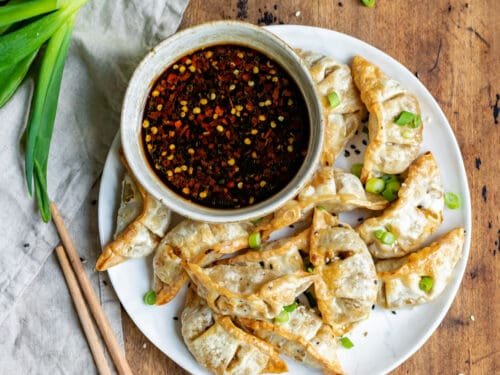
Gyoza sauce is one of those simple additions that can completely change the way a meal tastes. Gyoza, the popular Japanese dumplings usually filled with seasoned meat and vegetables, are delicious on their own, but a well-balanced dipping sauce adds another layer of flavor. The classic combination usually brings together soy sauce, rice vinegar, and a few flavorful extras. The result is salty, tangy, savory, and sometimes spicy, depending on how you prepare it. Because the ingredients are easy to find, making gyoza sauce at home is much simpler than many people expect.
One of the best things about homemade gyoza sauce is that there is no single recipe you have to follow. Traditional versions tend to be quite simple, while modern variations may include chili oil, sesame oil, garlic, ginger, honey, or even a little citrus juice. You can make the sauce sharp and tangy, rich and savory, or hot enough to give your dumplings a serious kick. The basic idea is to create a sauce that complements the filling rather than covering up its flavor.
Store-bought dipping sauces can certainly be convenient, but homemade gyoza sauce gives you much more control. You can reduce the salt, increase the acidity, add more heat, or make the sauce slightly sweet. This is especially useful when you are serving different types of gyoza. Chicken, pork, vegetable, shrimp, and mushroom dumplings can all benefit from slightly different sauce combinations. A few small adjustments can make the same basic sauce work beautifully with almost any filling.
Another advantage is how quickly the sauce comes together. In most cases, you simply measure the ingredients, stir them in a small bowl, taste the mixture, and adjust it. There is usually no cooking involved unless you want to infuse the sauce with fresh garlic, ginger, or other aromatics. Once you understand how each ingredient contributes to the overall flavor, you can easily create your own signature gyoza sauce without relying on a strict recipe.
What Is Gyoza Sauce?
Gyoza sauce is a dipping sauce traditionally served alongside Japanese gyoza. It is designed to provide contrast to the dumplings, which often have a savory filling and a crisp or tender wrapper. The sauce usually combines salty soy sauce with acidic rice vinegar, creating a balanced flavor that cuts through the richness of the dumpling filling. Depending on personal preference, additional ingredients can be included to introduce sweetness, heat, nuttiness, or aromatic depth.
The most basic version of gyoza sauce requires only two ingredients: soy sauce and rice vinegar. These ingredients are often mixed in roughly equal proportions, although the exact ratio depends on how salty or tangy you prefer your sauce. Some people use more soy sauce for a deeper savory flavor, while others increase the vinegar to create a brighter and sharper dipping sauce. This simple foundation is surprisingly effective and works well when you want the flavor of the gyoza itself to remain the star.
Many popular versions also include chili oil or chili crisp. The heat adds excitement and works particularly well with pork or vegetable gyoza. Sesame oil is another common addition because it provides a rich, nutty aroma. Freshly grated ginger and minced garlic can make the sauce more aromatic, while a small amount of sugar or honey can soften the sharpness of the vinegar. None of these additions are strictly required, but they allow you to customize the sauce according to your taste.
Although the term “gyoza sauce” generally refers to a dipping sauce, there is considerable flexibility in how it is prepared. Japanese-style dumpling sauces vary from household to household, and restaurants often have their own preferred combinations. Some are light and acidic, while others are spicy, sweet, or intensely savory. The important thing is achieving balance. A good gyoza sauce should enhance the dumplings and make each bite more interesting without becoming overpowering.
Classic Gyoza Sauce Ingredients
The foundation of a classic gyoza sauce is soy sauce. It provides the salty, savory character that makes the sauce immediately recognizable. Regular Japanese-style soy sauce works particularly well because it has a balanced flavor and is not excessively thick. If you are using a particularly salty soy sauce, you may want to reduce the amount slightly or increase the rice vinegar. Low-sodium soy sauce is also an option if you prefer a lighter sauce or are trying to control the overall saltiness.
Rice vinegar is the second essential ingredient in many gyoza sauce recipes. Its mild acidity adds freshness and prevents the sauce from tasting too heavy. Compared with some stronger vinegars, rice vinegar has a softer and cleaner flavor, which makes it particularly suitable for delicate dumplings. Seasoned rice vinegar can also be used, but remember that it often contains sugar and salt. If you use it, taste the sauce before adding any additional sweetener or salt.
Sesame oil is a popular optional ingredient that adds a distinctly nutty aroma. You generally do not need much because toasted sesame oil has a powerful flavor. A few drops or a small splash can transform a basic soy-vinegar mixture into something much more fragrant. Sesame oil is especially good with vegetable, pork, and mushroom gyoza, although it can be used with almost any filling.
Chili oil is another favorite addition, particularly for people who enjoy spicy food. You can use a simple chili oil, Japanese-style rayu, or a chili crisp depending on what you have available. Chili crisp brings texture as well as heat because it often contains fried chili pieces, garlic, onions, or other crunchy ingredients. For a more aromatic sauce, fresh ginger and garlic can also be added. These ingredients are optional, but they can give a basic dipping sauce a much more complex flavor.
How to Make Gyoza Sauce at Home
Making homemade gyoza sauce is extremely straightforward. Start by combining two tablespoons of soy sauce with two tablespoons of rice vinegar in a small bowl. Stir the mixture thoroughly and taste it before adding anything else. This gives you a basic understanding of the flavor balance. If it tastes too salty, add a little more rice vinegar. If it seems too sharp, increase the soy sauce slightly or add a small amount of sweetness.
Once the basic mixture is balanced, you can begin adding optional ingredients. Try a few drops of toasted sesame oil for nuttiness, followed by a small spoonful of chili oil if you enjoy heat. Freshly grated ginger can provide a bright, slightly spicy aroma, while minced garlic gives the sauce a stronger savory character. Add these ingredients gradually because it is much easier to increase a flavor than to correct a sauce that has become too intense.
For a slightly sweeter sauce, add about half a teaspoon of sugar or honey. Sweetness is not necessary in a traditional-style dipping sauce, but it can help balance strong acidity and spice. If you are serving the sauce with particularly savory or spicy gyoza, a small amount of sweetness can make the overall bite feel more rounded. Stir until the sugar dissolves completely. Honey works especially well if you prefer a smooth sauce with a subtle floral sweetness.
After mixing everything together, let the sauce sit for a few minutes before serving. This short resting period allows the flavors of the garlic, ginger, chili, and sesame oil to blend into the soy-vinegar base. Give it another taste before serving and make any final adjustments. Homemade sauce does not need to be complicated. In fact, the best results often come from making small adjustments until the combination tastes balanced to you.
Best Gyoza Sauce Variations to Try
A spicy gyoza sauce is an easy variation for anyone who enjoys bold flavors. Start with the classic soy sauce and rice vinegar base, then add chili oil or chili crisp. You can increase the heat gradually until you reach the desired level. A little sesame oil can make the sauce richer, while minced garlic adds another layer of flavor. This version is excellent with pork and chicken gyoza because the acidity and heat help balance the richness of the filling.
For a sweeter variation, combine soy sauce and rice vinegar with a small amount of honey or sugar. You can also add a little grated ginger to keep the sauce from becoming overly sweet. This style works particularly well with vegetable and shrimp gyoza because the sweetness complements lighter fillings. If you want additional complexity, add a few drops of sesame oil. The result should still taste savory and tangy rather than like a sweet dipping sauce.
A garlic-ginger gyoza sauce is ideal when you want something highly aromatic. Finely mince a small amount of garlic and grate fresh ginger before stirring them into the soy sauce and rice vinegar. Let the mixture rest for several minutes so the aromatics can release their flavors. This sauce has a fresher, sharper character than a basic dipping sauce and can make simple vegetable dumplings taste much more substantial.
For a citrus-inspired variation, add a small amount of fresh lemon or yuzu juice to the basic sauce. Citrus brings a bright acidity that works particularly well with seafood gyoza. Be careful not to add too much because the goal is to enhance the sauce rather than replace the rice vinegar entirely. A few drops of sesame oil or a small amount of chili oil can finish the sauce beautifully and create a refreshing but flavorful dipping combination.
How to Balance the Flavor of Gyoza Sauce
The key to a great gyoza sauce is balance. The five basic flavor directions to think about are salty, sour, sweet, spicy, and savory. Soy sauce handles much of the salty and savory character, while rice vinegar provides acidity. Sugar or honey can introduce sweetness, and chili oil brings heat. Sesame oil, garlic, and ginger contribute aroma and depth. You do not need all five elements in equal amounts. Instead, think about how they work together.
If your sauce tastes too salty, the simplest solution is usually to add more rice vinegar or a small amount of water. Avoid immediately adding sugar because sweetness may hide the saltiness without actually creating a balanced flavor. If the sauce tastes too sour, increase the soy sauce slightly or add a tiny amount of sweetener. Make adjustments slowly, tasting after every addition. A few drops or a small teaspoon can make a noticeable difference.
If the sauce tastes flat, consider adding an aromatic ingredient rather than simply adding more soy sauce. Fresh ginger, garlic, sesame oil, or chili oil can give the mixture more personality. Sometimes a sauce tastes incomplete because it lacks fragrance rather than because it needs more salt or acidity. This is why tasting and adjusting is more useful than blindly following measurements.
Texture also matters, especially if you are using chili crisp, minced garlic, or grated ginger. A smooth sauce works well for delicate dumplings, while a chunky sauce can provide a more exciting bite. If you prefer a cleaner dipping sauce, finely grate or strain the aromatics. If you like a rustic, restaurant-style experience, leave the ingredients in the bowl and allow them to settle naturally.
Gyoza Sauce for Different Types of Dumplings
Pork gyoza are rich, savory, and often strongly seasoned, so they pair well with a bright and acidic sauce. A classic mixture of soy sauce and rice vinegar is an excellent starting point. Adding chili oil can provide enough heat to cut through the richness of the pork. Sesame oil and garlic are also useful additions, although they should be used carefully so they do not overpower the dumpling filling.
Chicken gyoza generally have a lighter flavor than pork gyoza, which means a slightly more aromatic sauce can work particularly well. Try adding fresh ginger, garlic, sesame oil, and a small amount of chili oil to the basic sauce. A touch of sweetness can also complement chicken beautifully. The goal is to create a sauce that adds depth while still allowing the mild flavor of the chicken to come through.
Vegetable gyoza are extremely versatile and can handle a wide range of dipping sauces. A simple soy-vinegar mixture works well, but spicy chili crisp can make the dumplings much more interesting. Ginger and sesame oil are particularly good additions if the filling contains cabbage, mushrooms, carrots, or green onions. For a lighter option, increase the vinegar slightly and keep the sauce relatively thin.
Shrimp gyoza benefit from sauces with brightness and acidity. Citrus juice, rice vinegar, ginger, and a small amount of chili can bring out the natural sweetness of shrimp. Avoid making the sauce excessively heavy with sesame oil or strong garlic unless you particularly enjoy those flavors. A clean, sharp dipping sauce often works best with seafood-based dumplings because it refreshes the palate between bites.
Common Mistakes When Making Gyoza Sauce
One of the most common mistakes is using too much soy sauce. Because soy sauce is intensely salty, it can quickly dominate the entire mixture. A dipping sauce should complement the gyoza, not make every bite taste overwhelmingly salty. Start with a modest amount and gradually adjust it. Remember that the dumpling filling itself may already contain soy sauce, salt, or other salty seasonings.
Another mistake is adding too many strong ingredients at once. It can be tempting to throw in garlic, ginger, chili oil, sesame oil, sugar, citrus juice, and other ingredients because each one sounds delicious individually. However, combining everything without considering balance can create a sauce that tastes muddled. Choose two or three supporting flavors and allow the soy sauce and vinegar to remain the foundation.
Using the wrong type of vinegar can also affect the final result. Rice vinegar is generally preferred because its acidity is relatively mild and clean. Stronger vinegars can work, but they may make the sauce taste harsh. If you only have another type of vinegar available, use a smaller amount at first and adjust gradually. The goal is a bright acidity rather than an aggressive sourness.
Finally, do not forget to taste your sauce before serving it. Ingredients vary significantly between brands, especially soy sauce and chili products, so a recipe that works perfectly with one brand may taste different with another. Tasting gives you the opportunity to make quick corrections. A little more vinegar, a few drops of sesame oil, or a tiny amount of sweetness can often turn an average sauce into an excellent one.
How to Serve Gyoza Sauce
Gyoza sauce is traditionally served in a small individual dipping dish alongside the dumplings. This allows each person to control how much sauce they use. Some people prefer to dip only the bottom edge of the dumpling, while others dip almost the entire gyoza. Serving the sauce separately also keeps the dumpling wrapper crisp, especially when the gyoza have been pan-fried.
If you are serving a large meal, you can prepare a larger bowl of sauce and place it in the center of the table. However, individual dipping bowls are usually more convenient because guests can customize their own sauce. You can provide additional chili oil, sesame seeds, sliced green onions, or grated ginger separately for people who want to personalize their dipping experience.
Temperature is another small detail worth considering. Gyoza sauce is normally served at room temperature or slightly cool rather than hot. A cold sauce can provide a pleasant contrast against freshly cooked dumplings, but it does not need to be refrigerated immediately before serving. If you have prepared the sauce in advance and stored it in the refrigerator, allow it to sit briefly before serving if you prefer a less chilled dipping sauce.
Garnishes can make a simple bowl of gyoza sauce look and taste more interesting. Thinly sliced green onions, toasted sesame seeds, fresh chili, or a few drops of chili oil can all work well. Garnishes are not necessary, but they are an easy way to add texture and visual appeal. Keep them restrained so the dipping sauce remains practical rather than becoming difficult to use.
How to Store Homemade Gyoza Sauce
Homemade gyoza sauce can usually be prepared ahead of time, which makes it convenient when you are planning a meal. If your sauce contains only shelf-stable ingredients such as soy sauce, rice vinegar, sesame oil, and chili oil, it can generally be kept in a clean, covered container. However, once you add fresh garlic, ginger, green onions, or other fresh ingredients, refrigeration becomes the safer choice.
Store the sauce in an airtight container or clean glass jar. Keeping it covered helps prevent it from absorbing odors from other foods in the refrigerator. Fresh ingredients can also change the flavor of the sauce as they sit, so it is a good idea to prepare only as much as you expect to use within a reasonable period. Always check the sauce for unusual odors, appearance, or other signs of spoilage before using it.
If you know you will be making gyoza later in the week, preparing the basic soy sauce and vinegar mixture in advance can save time. You can then add fresh aromatics shortly before serving. This approach gives you the convenience of a prepared sauce while preserving the bright flavor of fresh ginger and garlic.
When storing any homemade sauce, cleanliness is important. Use a clean container and clean utensils, and avoid repeatedly dipping used utensils into the storage jar. If the sauce has been sitting out during a meal, it is better not to return leftovers to a long-term storage container. Simple food-handling habits help maintain quality and reduce the risk of spoilage.
Frequently Asked Questions About Gyoza Sauce
Can I Make Gyoza Sauce Without Rice Vinegar?
Yes, you can make gyoza sauce without rice vinegar, although the flavor will be different. Rice vinegar provides the clean acidity that balances soy sauce, so replacing it with another acidic ingredient is helpful. Lemon juice can work in a pinch, although it has a brighter citrus character. White vinegar can also be used, but it is stronger, so start with a smaller amount and adjust gradually.
Is Gyoza Sauce the Same as Dumpling Sauce?
Gyoza sauce and general dumpling sauce can be very similar, but they are not always exactly the same. Different cuisines use different combinations of soy sauce, vinegar, chili, sesame, garlic, and other ingredients. A sauce made for Chinese dumplings may contain black vinegar, while a Japanese-style gyoza sauce often uses rice vinegar. There is plenty of overlap, and many sauces can be enjoyed with several types of dumplings.
Can I Make Gyoza Sauce Spicy?
Absolutely. Chili oil is one of the easiest ways to make gyoza sauce spicy. You can also use chili crisp, fresh sliced chilies, chili flakes, or another preferred hot sauce. Start with a small amount and increase the heat gradually. Remember that the goal is not simply to make the sauce hot; it should still have enough soy, vinegar, and other flavors to remain balanced.
Can I Make Gyoza Sauce Ahead of Time?
Yes, and doing so can actually improve the flavor when fresh aromatics are included. Garlic and ginger can release their flavors into the sauce as it rests. If your sauce contains fresh ingredients, keep it refrigerated in a clean, covered container. For the freshest flavor, prepare the basic sauce ahead of time and add delicate garnishes or fresh aromatics closer to serving.
Final Thoughts on Gyoza Sauce
Gyoza sauce may be a small part of a meal, but it can have a surprisingly large impact on the overall eating experience. The best recipes do not need a long list of complicated ingredients. A simple combination of soy sauce and rice vinegar can already create a delicious dipping sauce, while ingredients such as sesame oil, chili, garlic, ginger, and a touch of sweetness can take it in completely different directions.
The most useful skill when making gyoza sauce is learning how to balance flavors rather than memorizing one exact recipe. If the sauce is too salty, add acidity. If it is too sharp, add a little sweetness or more soy sauce. If it tastes flat, introduce an aromatic ingredient. If it lacks excitement, chili oil can often solve the problem. Small adjustments are usually all that is needed.
Homemade gyoza sauce is also a great opportunity to experiment. Try different ratios of soy sauce and vinegar, compare chili oil with chili crisp, or add citrus juice for a fresh twist. You can create a mild sauce for family meals or a fiery version for spice lovers. Once you understand the basic structure, there is no reason to limit yourself to a single combination.
Ultimately, a good gyoza sauce should make you want to take another bite. It should complement the dumpling filling, add contrast, and bring together salty, sour, spicy, sweet, and savory flavors in a way that feels natural. Whether you are making homemade gyoza or simply reheating a favorite frozen variety, a freshly mixed dipping sauce is one of the easiest ways to make the meal feel more special.