
Rutabaga is one of those vegetables that often gets overlooked at the grocery store, yet it deserves much more attention in the kitchen. With its slightly sweet, earthy flavor and firm texture, rutabaga can be transformed into everything from creamy mashed dishes to crispy roasted sides. It is especially useful during colder months when hearty vegetables are at their best. If you have ever bought a rutabaga and wondered what to do with it, there are plenty of simple and delicious possibilities.
One of the best things about rutabaga recipes is their versatility. Rutabaga can be boiled, roasted, mashed, sautéed, baked, or added to soups and stews. Its flavor is somewhat similar to a mild turnip, but it tends to have a sweeter and richer taste. Once cooked, it becomes tender and takes on seasonings beautifully, making it easy to adapt to different cuisines and personal preferences.
Cooking with rutabaga does not require complicated techniques or unusual ingredients. In fact, many recipes use basic pantry staples such as olive oil, butter, garlic, herbs, salt, and black pepper. The vegetable can also be paired with potatoes, carrots, onions, parsnips, or other root vegetables to create satisfying meals with plenty of flavor and texture.
Whether you are looking for a simple weeknight side dish or a comforting recipe for a family dinner, rutabaga is worth experimenting with. The following ideas will help you understand how to prepare it properly and make the most of its natural flavor.
Creamy Mashed Rutabaga
Mashed rutabaga is one of the easiest ways to introduce this vegetable to someone who has never tried it before. The cooking process softens the rutabaga and gives it a creamy texture while preserving its slightly sweet and earthy character. It can be served much like traditional mashed potatoes, making it an excellent side dish for roasted chicken, beef, pork, or vegetables.
To prepare mashed rutabaga, start by peeling the vegetable carefully and cutting it into evenly sized cubes. Place the cubes in a pot of salted water and simmer until they are completely tender. Depending on the size of the pieces, this usually takes around 20 to 30 minutes. Drain the cooked rutabaga thoroughly because excess water can make the finished mash watery.
Once drained, return the rutabaga to the warm pot and mash it with butter. A splash of milk or cream can be added if you want a softer consistency. Season the mash with salt and freshly ground black pepper. For extra flavor, roasted garlic, chopped chives, thyme, or a small amount of grated Parmesan can be mixed in.
Mashed rutabaga can also be combined with potatoes for a familiar but more flavorful side dish. Using equal parts rutabaga and potato creates a balanced texture and keeps the rutabaga flavor from becoming too strong. This is a particularly useful approach if you are serving the dish to people who are unsure about trying a new vegetable.
Roasted Rutabaga Recipes
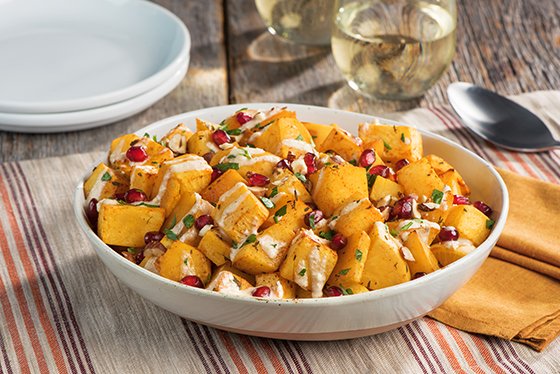
Roasting brings out the natural sweetness of rutabaga and gives the edges a delicious golden-brown finish. This cooking method is especially useful when you want a dish that requires very little hands-on preparation. The high heat encourages caramelization, which gives the vegetable a deeper flavor than boiling or steaming alone.
Begin by peeling the rutabaga and cutting it into bite-sized cubes or wedges. Try to keep the pieces similar in size so they cook evenly. Toss them with olive oil, salt, black pepper, and your favorite herbs. Rosemary, thyme, sage, and oregano all work particularly well with the earthy flavor of rutabaga.
Spread the pieces across a baking sheet in a single layer. Avoid overcrowding the pan because too many vegetables packed together can trap moisture and prevent proper browning. Roast until the rutabaga is tender inside and golden around the edges. Turning the pieces halfway through cooking helps them brown more evenly.
For an extra flavorful version, add minced garlic during the final part of roasting rather than at the beginning, as garlic can burn at high temperatures. You can also finish roasted rutabaga with a little lemon juice or grated Parmesan. The combination of sweet roasted vegetable, bright acidity, and savory seasoning makes a simple side dish taste much more sophisticated.
Rutabaga and Potato Soup
Rutabaga works beautifully in creamy vegetable soups because it adds body and a subtle sweetness without overpowering the other ingredients. Combining it with potatoes creates a thick, comforting soup that is perfect for chilly days. The recipe is also easy to adjust depending on what vegetables you already have in the kitchen.
Start by sautéing chopped onion and garlic in a little butter or olive oil. Once the onion becomes soft and fragrant, add peeled and cubed rutabaga along with potatoes. Pour in vegetable or chicken stock until the vegetables are mostly covered. Add herbs such as thyme or bay leaves to give the soup a deeper flavor.
Simmer everything until the rutabaga and potatoes are very tender. At this stage, you can blend the soup until smooth using an immersion blender or a standard blender. If you prefer a rustic soup, simply mash some of the vegetables while leaving the rest in small pieces. Both approaches work well, so the choice comes down to personal preference.
A small amount of cream can be stirred in at the end for extra richness, although it is not necessary. For a lighter version, leave out the cream and finish the soup with olive oil and freshly ground pepper. Crispy bread, toasted seeds, or fresh herbs make excellent toppings and add texture to the finished bowl.
Honey-Glazed Rutabaga
Honey-glazed rutabaga is a great option when you want a side dish that balances savory and sweet flavors. Rutabaga already has a natural sweetness, and a small amount of honey enhances it without making the dish taste like dessert. This recipe works particularly well alongside roasted meats or other hearty main dishes.
The first step is to peel and cut the rutabaga into small cubes. Boil or steam the cubes until they are just tender but not falling apart. Drain them well before transferring them to a skillet. Starting with properly drained vegetables helps the glaze cling to the rutabaga instead of becoming diluted.
Melt butter in the skillet and add the cooked rutabaga. Drizzle in a modest amount of honey and toss everything together. A pinch of salt and black pepper keeps the sweetness balanced. You can also add fresh thyme, rosemary, or a small splash of apple cider vinegar for additional depth.
Cook the rutabaga over medium heat until the glaze becomes glossy and the edges begin to caramelize. Keep an eye on the pan because honey can burn if the heat is too high. The finished dish should have tender centers, lightly browned edges, and a shiny coating. It is simple enough for a weekday meal but attractive enough for a holiday dinner.
Crispy Rutabaga Fries
If you are searching for a fun alternative to traditional potato fries, rutabaga fries are worth trying. They have a slightly different texture and flavor, but they can become pleasantly crisp on the outside while remaining tender inside. They are also a creative way to make a familiar snack using a less common vegetable.
Peel the rutabaga and cut it into thin, evenly sized sticks. The thickness matters because very thick pieces may stay soft while thinner pieces can become crisp more easily. Toss the sticks with olive oil, salt, black pepper, and seasonings such as paprika, garlic powder, or onion powder.
Arrange the fries in a single layer on a baking sheet. Leaving space between the pieces allows hot air to circulate and encourages browning. Bake until the fries are tender and golden, turning them halfway through the cooking process. An air fryer can also be used if you prefer a quicker cooking method and have one available.
Serve rutabaga fries immediately while they are hot. They pair nicely with garlic yogurt sauce, herb mayonnaise, ketchup, or a simple mustard dip. Although they may not taste exactly like potato fries, their distinctive flavor is part of what makes them interesting. They are a particularly good choice for anyone who enjoys experimenting with vegetables.
Sautéed Rutabaga With Garlic and Herbs
Sautéing is one of the quickest ways to cook rutabaga while still developing plenty of flavor. Thinly sliced or finely diced rutabaga cooks much faster than large chunks, making this method ideal for busy evenings. Garlic and fresh herbs complement the vegetable without masking its natural taste.
Cut the peeled rutabaga into small cubes or thin slices. Heat olive oil or butter in a large skillet and add the rutabaga. Cook it over medium heat, stirring occasionally, until the pieces begin to soften and develop golden edges. If the rutabaga is browning too quickly before becoming tender, add a small splash of water and cover the pan briefly.
Once the vegetable is nearly cooked, add minced garlic. Adding garlic later prevents it from burning while giving it enough time to release its aroma. Fresh thyme, parsley, rosemary, or sage can be added at this point as well. Season everything with salt and black pepper.
For an extra layer of flavor, finish the dish with a little lemon juice. The acidity brightens the earthy sweetness of the rutabaga and keeps the dish from feeling too heavy. This sautéed version can be served alongside grilled meats, fish, eggs, or a simple grain bowl.
Rutabaga Gratin
Rutabaga gratin is a comforting dish that turns a humble root vegetable into something rich and impressive. Thin slices of rutabaga are layered with a creamy sauce and baked until tender. The top becomes golden and bubbling, while the vegetables underneath absorb the savory flavors of the sauce.
Begin by peeling the rutabaga and slicing it as thinly and evenly as possible. A sharp knife works well, although a mandoline can make the job easier if you are comfortable using one. Consistent slices are important because they help the vegetables cook at the same rate.
Prepare a simple cream sauce with butter, flour, milk or cream, salt, pepper, and a little grated cheese. Garlic and thyme can be added for additional flavor. Layer the rutabaga slices in a baking dish, pouring some sauce between the layers so every part of the vegetable gets coated.
Bake the gratin until the rutabaga is completely tender and the top is golden brown. Allow it to rest for several minutes before serving so the sauce can thicken slightly. This dish is especially suitable for family gatherings and holiday meals because it can be prepared ahead of time and baked when needed.
Rutabaga in Hearty Stews
Rutabaga is an excellent addition to hearty stews because it holds its shape well during slow cooking. Instead of becoming completely mushy, properly cooked rutabaga develops a tender texture while contributing a subtle sweetness to the broth. It pairs especially well with beef, lamb, chicken, beans, and other root vegetables.
When adding rutabaga to a stew, peel it thoroughly and cut it into medium-sized chunks. Pieces that are too small may become overly soft during a long cooking process. Add the rutabaga along with potatoes, carrots, or other vegetables according to the cooking time required by your recipe.
The vegetable absorbs the flavors of the surrounding broth, herbs, and seasonings. Ingredients such as onions, garlic, bay leaves, thyme, rosemary, and black pepper work particularly well. If the stew contains meat, the natural juices from the meat will also give the rutabaga additional depth.
Rutabaga can be especially useful when you want to make a stew more substantial without relying entirely on potatoes. Its slightly sweet flavor provides contrast to savory broths and rich meats. Once you become comfortable using it, you may find yourself adding rutabaga to many of your favorite slow-cooked dishes.
Tips for Preparing Rutabaga
The first challenge many people encounter with rutabaga is peeling it. Its skin can be thicker and tougher than the skin of a potato, so a sturdy vegetable peeler or sharp knife is helpful. Remove the outer skin completely, including any rough areas. After peeling, rinse the vegetable before cutting it into the shape required by your recipe.
Because rutabaga is firm, cutting it can require a little more effort than cutting softer vegetables. Use a stable cutting board and a sharp knife. Cutting the rutabaga in half first creates a flat surface that makes it easier to work with safely. From there, you can slice it into wedges, cubes, sticks, or thin pieces.
Rutabaga does not need complicated seasoning. Simple combinations such as butter and black pepper, olive oil and herbs, or garlic and Parmesan can bring out its natural character. If you find its flavor slightly bitter, roasting it or pairing it with a touch of sweetness can make it more appealing.
Storage also matters. Whole rutabagas generally keep well in a cool environment, while peeled or cut pieces should be refrigerated in an airtight container and used within a reasonable period. Preparing only what you need can help preserve its texture. Once you understand how to handle the vegetable, cooking with rutabaga becomes much easier.
How to Choose the Best Rutabaga
When shopping for rutabaga, look for vegetables that feel firm and heavy for their size. A good rutabaga should not have extensive soft spots, deep cracks, or areas that look unusually damaged. The skin can naturally have some roughness, so appearance alone is not always an indication of quality.
Smaller to medium-sized rutabagas are often convenient for home cooking because they can be easier to peel and cut. Very large examples can sometimes have a tougher texture, although size is not the only factor that determines quality. Whenever possible, choose one that feels dense rather than unusually light.
The color of rutabaga skin can vary, but it commonly has a purple or yellowish-purple upper portion with a lighter lower section. The interior should be firm and generally yellowish when cut. If the flesh looks excessively dry, spongy, or damaged, it may not provide the best texture for cooking.
Once you find good-quality rutabagas, there are countless ways to use them. Buying one does not mean you have to commit to a single recipe. A single vegetable can become mashed rutabaga one night, roasted cubes another night, and a hearty soup later in the week.
Final Thoughts on Rutabaga Recipes
Rutabaga may not receive as much attention as potatoes, carrots, or sweet potatoes, but it is an incredibly useful ingredient. Its mild sweetness, earthy flavor, and sturdy texture make it suitable for a wide range of cooking methods. From creamy mashed rutabaga to crispy fries and comforting soups, there is no shortage of ways to enjoy it.
The key to successful rutabaga recipes is choosing the right cooking method for the result you want. Roasting emphasizes sweetness and creates caramelized edges, while boiling produces a soft texture that works well for mashing. Sautéing is convenient for quick meals, and slow cooking allows rutabaga to absorb the flavors of stews and soups.
It is also worth remembering that rutabaga does not need to replace another vegetable completely. Combining it with potatoes, carrots, parsnips, onions, or other root vegetables can create more complex flavors and textures. This makes it easy to experiment without having to completely change the way you cook.
If you have never cooked rutabaga before, start with a simple roasted or mashed recipe. Once you become familiar with its flavor, you can move on to gratins, soups, stews, fries, and creative combinations. With a little experimentation, rutabaga can go from an overlooked grocery-store vegetable to a regular and surprisingly versatile part of your cooking routine.