
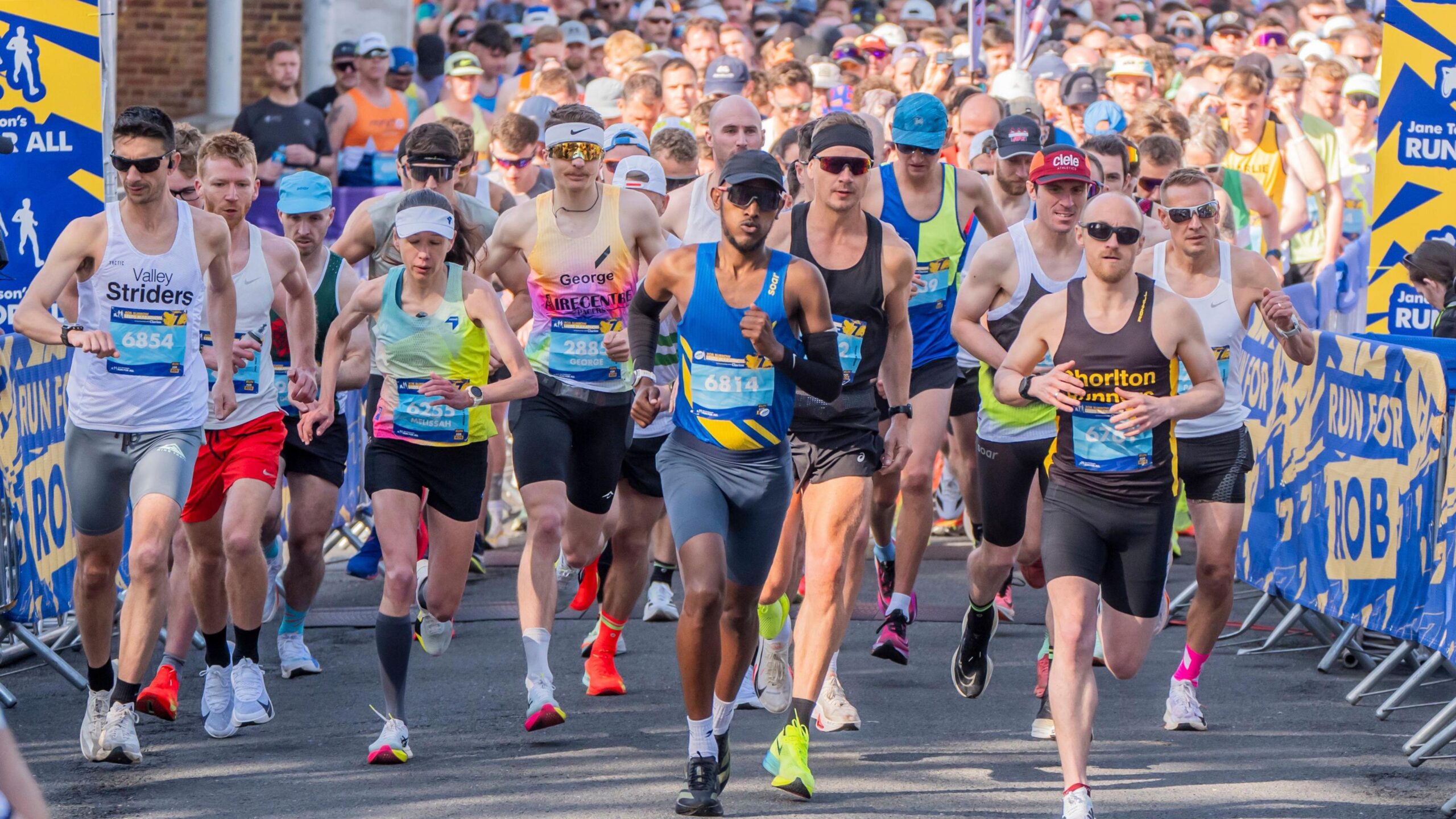
So, you’re thinking about taking on the Leeds Marathon. Or maybe you’re a resident wondering why your street is closed on a Sunday morning. Either way, you have landed in the right place. This isn’t just any race; it is a celebration of grit, community, and one of the most inspirational stories in modern British sport. Whether you are a seasoned runner chasing a personal best or a first-timer whose only goal is to finish without walking (no shame in that game), this guide covers everything you need to know.
The atmosphere on the streets of West Yorkshire is electric. Unlike the flat, fast courses of places like London or Manchester, the Leeds Marathon offers a unique beast: beautiful Yorkshire countryside, rolling hills, and the kind of crowd support that makes you forget your legs are screaming at you to stop. We have dug into the route details, the training secrets, and the logistical nightmares (road closures, we are looking at you) to ensure that your race day is as smooth as possible. Lace up your trainers, grab a brew, and let’s break down what it really takes to conquer 26.2 miles through this incredible city.
The Heart and Soul: The Rob Burrow Legacy
To understand this marathon, you have to understand the man behind the name. This isn’t a generic corporate-sponsored event. The Rob Burrow Leeds Marathon is named after the late rugby league legend who, after being diagnosed with Motor Neurone Disease (MND), became a beacon of courage and fundraising. Burrow, alongside his best friend Kevin Sinfield, changed the landscape of MND awareness in the UK.
When you run this marathon, you feel that legacy in the air. It is present in the charity vests, the cheering crowds, and the emotional energy at the finish line inside AMT Headingley Rugby Stadium. The event raises crucial funds for the MND Association and Leeds Hospitals Charity, continuing the fight that Burrow started. It transforms the event from a simple athletic endeavor into a movement of solidarity. Knowing that your aching feet are contributing to a legacy of care for others makes every single uphill step worth it.
Navigating the 2026 Route: What to Expect
The Leeds Marathon route is famous for two things: its stunning scenery and its brutal honesty. It is not a pancake. Starting and finishing at Headingley Stadium, the 2026 route takes runners on a circular tour of the city’s northern suburbs and countryside. You will wind through Woodhouse Moor first, getting the legs warmed up before the real test begins.
From there, you head out through Lawnswood and Bramhope, pushing towards Pool in Wharfedale and the market town of Otley. This is where the gears start to grind. The section out to Otley Chevin is notorious. It is a climb that demands respect. But what goes up must come down, and the return leg offers some respite. The course is designed to showcase the diversity of Leeds, from urban student vibes to rural dry-stone walls. Runners need to be mentally prepared for the elevation changes, saving a little something in the tank for the final approach back to the rugby stadium.
Essential Race Day Logistics: Travel and Closures
Let’s talk about the boring but vital stuff: getting to the start line. If you are a runner or a spectator, parking in Headingley on marathon day is a firm “no.” The streets are closed, and the residents need their driveways. Leeds Marathon The organisers have set up specific park and ride services from Elland Road and Stourton, but there is a catch—you absolutely must book these in advance.
Road closures roll out from the early hours of Sunday morning. From 4:00 AM, you will see St Michael’s Lane shutting down, with rolling closures on the A660 and through Otley happening between 8:00 AM and 9:00 AM. If you live along the route, treat this as a “stay local” day. If you are heading to Leeds Bradford Airport, check the diversions. The city does a brilliant job of keeping emergency access open, but general traffic will be heavily diverted. Plan your journey the night before, set your alarm early, and use the shuttle buses.
Training Tips for a Hilly Marathon
Training for the Leeds Marathon requires a specific focus. If you have only run on treadmills or flat canal paths, you are in for a shock. You need to incorporate “hill repeats” into your weekly routine. Find the steepest road in your area (or a car park ramp) and run up it. Walk down. Repeat until you hate the world. This builds the specific strength needed for the Chevin.
Beyond the physical, there is the “dress rehearsal.” Running experts strongly suggest you wear your full race outfit on your long training runs. You do not want to discover that your shorts chafe at mile 18 or that your hydration vest bounces awkwardly. Test your shoes, your socks, and most importantly, your nutrition. Practice with the gels or chews you plan to use on race day during a long run to avoid any gastric surprises. The general rule of thumb is to have your name visible on your shirt—trust me, when a stranger shouts “Go [Your Name]!” at mile 22, it is a game changer.
Essential Gear: What to Wear and Bring
Packing your kit bag is an art form. Even if the forecast looks sunny, this is the UK—pack a disposable poncho or an old jumper you can throw away at the start. Once you start running, you will warm up, but standing in the corral for 30 minutes can get chilly. For your feet, double knot your laces ten minutes before the start, maybe even triple knot them. Stopping to tie a lace when your hands are shaking from adrenaline is a nightmare.
Your running shoes are your most important asset. Do not, under any circumstances, wear brand-new shoes on race day. You should have completed at least 50 kilometers in them during training. They need to be molded to your feet. Also, consider anti-chafe balm. Apply it liberally to any area where skin rubs against skin or fabric. You might look greasy at the start line, but you will look like a genius at the finish line.
Fundraising and Charity: Running for a Cause
One of the most beautiful aspects of this marathon is that it is a non-profit event organised by Jane Tomlinson’s Run For All. The pressure to raise money is positive and supportive. Many runners carry photos of loved ones on their backs or wear shirts dedicated to causes. The list of partner charities is extensive, including Candlelighters, Macmillan Cancer Support, and the Leeds North & West Foodbank.
Fundraising can feel daunting, but start early. Set up a JustGiving page and share your training journey. People are more likely to donate if they see you suffering in the rain on a 20-mile training run than if you just ask for cash. Be honest about why you are running. Whether it is in memory of a loved one or simply to challenge yourself, sharing that story connects you to the community. As we saw with the Team Daniel runners, personal stories are the engine that drives this event forward.
The Atmosphere: Why Leeds Shows Up
Leeds is a sporting city. With the Rhinos, the United, and the Carnegie, the locals know how to support their athletes. But the marathon takes this to another level. The city is famous for its “cheer points”—designated zones in places like Adel and Otley Market Place where the noise is deafening. There are also live bands, steel drums, and dance troupes lining the streets.
As a runner, feed off that energy. High-five the kids. Smile for the cameras (even when you are dying inside). The spectators are trained to spot when a runner is struggling; they will offer jelly babies, oranges, or a simple “You’ve got this.” The finish line is inside Headingley Stadium. Running onto that pitch, with the stands full and the roar of the crowd echoing off the stands, is a moment you will carry with you for the rest of your life. It makes every blister worth it.
Race Day Fueling and Hydration Strategy
Let’s get scientific for a second. Your body can only store about 90 minutes worth of glycogen (energy). Since you will be running for three, four, five, or six hours, you must refuel. The general advice is to start taking fuel early—don’t wait until you feel tired. Aim for a gel or a block every 30 to 45 minutes. Practice this in training.
Hydration is a balancing act. Over-drinking can be just as dangerous as under-drinking. The aid stations will have water. Have a plan: drink little and often. If the day is warm, you might need electrolytes, but don’t try a brand on race day you haven’t tested before. Some runners struggle to eat solid food while running; that is totally normal. If gels make you gag, try sweets like jelly beans or even small pieces of banana if the stations offer them.
Post-Race Recovery: What Happens Next?
You’ve crossed the line. You have your medal. You are crying/ laughing/ throwing up (hopefully not the latter). Now what? First, keep walking. Do not sit down immediately. Your blood is pooling in your legs, and sitting can cause dizziness or cramping. Keep moving towards the family meeting area to get your space blanket and banana.
Rehydrate with an electrolyte drink. Later that day, try to eat a meal with a good mix of protein (for muscle repair) and carbs (to replenish glycogen). Do not go for a PB attempt in the pub that night; alcohol hampers recovery. Instead, take an ice bath if you are brave, or a warm bath with Epsom salts if you are sensible. In the days following, light walking helps flush out the lactic acid, but avoid running for at least a week. You’ve earned the rest.
Spectator Guide: How to Be the Best Fan
Not running? That’s fine, but you still have a job to do. Being a spectator at the Leeds Marathon is a tactical operation. Because the course is long and spread out, pick a spot and commit to it. The cheer points are the most fun. Bring a sign. “Worst Parade Ever” always gets a laugh. “You run better than the government works” is a classic.
Track the runner using the event app. The elite finishers come in fast, but the middle and back of the pack is where the real spirit is. If you know someone running, try to see them at two points—maybe mile 8 near Lawnswood and then again near the finish at mile 24. That last sighting is critical because that is where they need the most love. And for goodness’ sake, if you bring a cowbell, ring it loudly.
Frequently Asked Questions
How difficult is the Leeds Marathon compared to others?
The Leeds Marathon is considered moderately difficult due to the rolling Yorkshire terrain. Unlike flat marathons such as Manchester or Rotterdam, the course features significant undulations, particularly around the Otley Chevin area. It is not a mountain race, but it is certainly a challenge for those seeking a personal best. You will need to incorporate specific hill training into your regime to handle the climbs in the second half of the race.
What time does the Leeds Marathon start and finish?
The main Leeds Marathon event kicks off at 9:00 AM sharp from St Michael’s Lane, finishing inside AMT Headingley Rugby Stadium. The associated Half Marathon starts slightly later at 10:00 AM. The last runners are expected to cross the finish line around 4:45 PM, which marks the official cut-off time for the course. This gives participants just under eight hours to complete the 26.2 miles.
Where can I find the official road closure map for race day?
The official road closures are extensive and implemented on a rolling basis. Closures on major arteries like the A660 (Otley Road) begin as early as 4 AM, with full route closures in effect from 8 AM to 9 AM. The most comprehensive resource is the interactive Google Map provided by the event organisers, which details specific re-opening times for streets in Headingley, Bramhope, and Otley. You should check the official Run For All website or the Leeds City Council news page for the most current interactive map.
Can I run with headphones or music?
While many runners rely on music, safety is the priority. With road closures open to emergency vehicles and the need to hear marshal instructions, bone conduction headphones (like Aftershokz) are generally preferred and accepted because they leave your ears open to ambient sound. Standard in-ear or noise-cancelling headphones are often discouraged or banned for safety reasons, as you need to be aware of your surroundings, especially in the early miles when the crowd is dense.
What is the bag drop situation at the start line?
The event typically offers a secure bag drop service at the Event Village near Headingley Stadium. However, due to security measures, there are strict restrictions on the size of bags allowed. Generally, bags larger than an A4 sheet of paper are not permitted inside the stadium grounds. You should arrive with your essentials only—there is no storage for suitcases or large backpacks. Use the park and ride system to leave extra gear in your car.
Conclusion
The Leeds Marathon is more than a race; it is a visceral experience. It tests your legs on the hills, lifts your spirit with the crowds, and grounds you with the powerful legacy of Rob Burrow. Whether you are running for a charity close to your heart, chasing a qualification time, or simply proving to yourself that you can do hard things, this event delivers. It showcases the best of Yorkshire: gritty, friendly, and spectacular.
As you stand on the pitch at Headingley, medal around your neck, you won’t just remember the miles. You will remember the stranger who gave you a jelly baby, the sound of the drum corps in Otley, and the knowledge that you ran for something bigger than yourself. So, check the road closures, pack your anti-chafe cream, and get ready. We will see you at the finish line.
You May Also Read
The Beginner’s Guide to Running Your First Half Marathon
How to Prevent Chafing During Long Distance Runs
The Ultimate Playlist for Hilly Race Days
A History of Rugby League in Leeds: From Burrow to TodayMeta Description: Conquer the Leeds Marathon! A complete guide to the 2026 route, road closures, first-timer tips, and the legacy of Rob Burrow.
The Ultimate Guide to Conquering the Leeds Marathon: Routes, Tips, and the Spirit of Rob Burrow
So, you’re thinking about taking on the Leeds Marathon. Or maybe you’re a local resident wondering why your street is closed on a Sunday morning. Either way, you have landed in the right place. This isn’t just any race; it is a celebration of grit, community, and one of the most inspirational stories in modern British sport. Whether you are a seasoned runner chasing a personal best or a first-timer whose only goal is to finish without walking (no shame in that game), this guide covers everything you need to know.
The atmosphere on the streets of West Yorkshire is electric. Unlike the flat, fast courses of places like London or Manchester, the Leeds Marathon offers a unique beast: beautiful Yorkshire countryside, rolling hills, and the kind of crowd support that makes you forget your legs are screaming at you to stop. We have dug into the route details, the training secrets, and the logistical nightmares (road closures, we are looking at you) to ensure that your race day is as smooth as possible. Lace up your trainers, grab a brew, and let’s break down what it really takes to conquer 26.2 miles through this incredible city.
The Heart and Soul: The Rob Burrow Legacy
To understand this marathon, you have to understand the man behind the name. This isn’t a generic corporate-sponsored event. The Rob Burrow Leeds Marathon is named after the late rugby league legend who, after being diagnosed with Motor Neurone Disease (MND), became a beacon of courage and fundraising. Burrow, alongside his best friend Kevin Sinfield, changed the landscape of MND awareness in the UK.
When you run this marathon, you feel that legacy in the air. It is present in the charity vests, the cheering crowds, and the emotional energy at the finish line inside AMT Headingley Rugby Stadium. The event raises crucial funds for the MND Association and Leeds Hospitals Charity, continuing the fight that Burrow started. It transforms the event from a simple athletic endeavor into a movement of solidarity. Knowing that your aching feet are contributing to a legacy of care for others makes every single uphill step worth it.
Navigating the 2026 Route: What to Expect
The Leeds Marathon route is famous for two things: its stunning scenery and its brutal honesty. It is not a pancake. Starting and finishing at Headingley Stadium, the 2026 route takes runners on a circular tour of the city’s northern suburbs and countryside. You will wind through Woodhouse Moor first, getting the legs warmed up before the real test begins.
From there, you head out through Lawnswood and Bramhope, pushing towards Pool in Wharfedale and the market town of Otley. This is where the gears start to grind. The section out to Otley Chevin is notorious. It is a climb that demands respect. But what goes up must come down, and the return leg offers some respite. The course is designed to showcase the diversity of Leeds, from urban student vibes to rural dry-stone walls. Runners need to be mentally prepared for the elevation changes, saving a little something in the tank for the final approach back to the rugby stadium.
Essential Race Day Logistics: Travel and Closures
Let’s talk about the boring but vital stuff: getting to the start line. If you are a runner or a spectator, parking in Headingley on marathon day is a firm “no.” The streets are closed, and the residents need their driveways. The organisers have set up specific park and ride services from Elland Road and Stourton, but there is a catch—you absolutely must book these in advance.
Road closures roll out from the early hours of Sunday morning. From 4:00 AM, you will see St Michael’s Lane shutting down, with rolling closures on the A660 and through Otley happening between 8:00 AM and 9:00 AM. If you live along the route, treat this as a “stay local” day. If you are heading to Leeds Bradford Airport, check the diversions. The city does a brilliant job of keeping emergency access open, but general traffic will be heavily diverted. Plan your journey the night before, set your alarm early, and use the shuttle buses.
Training Tips for a Hilly Marathon
Training for the Leeds Marathon requires a specific focus. If you have only run on treadmills or flat canal paths, you are in for a shock. You need to incorporate “hill repeats” into your weekly routine. Find the steepest road in your area (or a car park ramp) and run up it. Walk down. Repeat until you hate the world. This builds the specific strength needed for the Chevin.
Beyond the physical, there is the “dress rehearsal.” Running experts strongly suggest you wear your full race outfit on your long training runs. You do not want to discover that your shorts chafe at mile 18 or that your hydration vest bounces awkwardly. Test your shoes, your socks, and most importantly, your nutrition. Practice with the gels or chews you plan to use on race day during a long run to avoid any gastric surprises. The general rule of thumb is to have your name visible on your shirt—trust me, when a stranger shouts “Go [Your Name]!” at mile 22, it is a game changer.
Essential Gear: What to Wear and Bring
Packing your kit bag is an art form. Even if the forecast looks sunny, this is the UK—pack a disposable poncho or an old jumper you can throw away at the start. Once you start running, you will warm up, but standing in the corral for 30 minutes can get chilly. For your feet, double knot your laces ten minutes before the start, maybe even triple knot them. Stopping to tie a lace when your hands are shaking from adrenaline is a nightmare.
Your running shoes are your most important asset. Do not, under any circumstances, wear brand-new shoes on race day. You should have completed at least 50 kilometers in them during training. They need to be molded to your feet. Also, consider anti-chafe balm. Apply it liberally to any area where skin rubs against skin or fabric. You might look greasy at the start line, but you will look like a genius at the finish line.
Fundraising and Charity: Running for a Cause
One of the most beautiful aspects of this marathon is that it is a non-profit event organised by Jane Tomlinson’s Run For All. The pressure to raise money is positive and supportive. Many runners carry photos of loved ones on their backs or wear shirts dedicated to causes. The list of partner charities is extensive, including Candlelighters, Macmillan Cancer Support, and the Leeds North & West Foodbank.
Fundraising can feel daunting, but start early. Set up a JustGiving page and share your training journey. People are more likely to donate if they see you suffering in the rain on a 20-mile training run than if you just ask for cash. Be honest about why you are running. Whether it is in memory of a loved one or simply to challenge yourself, sharing that story connects you to the community. As we saw with the Team Daniel runners, personal stories are the engine that drives this event forward.
The Atmosphere: Why Leeds Shows Up
Leeds is a sporting city. With the Rhinos, the United, and the Carnegie, the locals know how to support their athletes. But the marathon takes this to another level. The city is famous for its “cheer points”—designated zones in places like Adel and Otley Market Place where the noise is deafening. There are also live bands, steel drums, and dance troupes lining the streets.
As a runner, feed off that energy. High-five the kids. Smile for the cameras (even when you are dying inside). The spectators are trained to spot when a runner is struggling; they will offer jelly babies, oranges, or a simple “You’ve got this.” The finish line is inside Headingley Stadium. Running onto that pitch, with the stands full and the roar of the crowd echoing off the stands, is a moment you will carry with you for the rest of your life. It makes every blister worth it.
Race Day Fueling and Hydration Strategy
Let’s get scientific for a second. Your body can only store about 90 minutes worth of glycogen (energy). Since you will be running for three, four, five, or six hours, you must refuel. The general advice is to start taking fuel early—don’t wait until you feel tired. Aim for a gel or a block every 30 to 45 minutes. Practice this in training.
Hydration is a balancing act. Over-drinking can be just as dangerous as under-drinking. The aid stations will have water. Have a plan: drink little and often. If the day is warm, you might need electrolytes, but don’t try a brand on race day you haven’t tested before. Some runners struggle to eat solid food while running; that is totally normal. If gels make you gag, try sweets like jelly beans or even small pieces of banana if the stations offer them.
Post-Race Recovery: What Happens Next?
You’ve crossed the line. You have your medal. You are crying/ laughing/ throwing up (hopefully not the latter). Now what? First, keep walking. Do not sit down immediately. Your blood is pooling in your legs, and sitting can cause dizziness or cramping. Keep moving towards the family meeting area to get your space blanket and banana.
Rehydrate with an electrolyte drink. Later that day, try to eat a meal with a good mix of protein (for muscle repair) and carbs (to replenish glycogen). Do not go for a PB attempt in the pub that night; alcohol hampers recovery. Instead, take an ice bath if you are brave, or a warm bath with Epsom salts if you are sensible. In the days following, light walking helps flush out the lactic acid, but avoid running for at least a week. You’ve earned the rest.
Spectator Guide: How to Be the Best Fan
Not running? That’s fine, but you still have a job to do. Being a spectator at the Leeds Marathon is a tactical operation. Because the course is long and spread out, pick a spot and commit to it. The cheer points are the most fun. Bring a sign. “Worst Parade Ever” always gets a laugh. “You run better than the government works” is a classic.
Track the runner using the event app. The elite finishers come in fast, but the middle and back of the pack is where the real spirit is. If you know someone running, try to see them at two points—maybe mile 8 near Lawnswood and then again near the finish at mile 24. That last sighting is critical because that is where they need the most love. And for goodness’ sake, if you bring a cowbell, ring it loudly.
Frequently Asked Questions
How difficult is the Leeds Marathon compared to others?
The Leeds Marathon is considered moderately difficult due to the rolling Yorkshire terrain. Unlike flat marathons such as Manchester or Rotterdam, the course features significant undulations, particularly around the Otley Chevin area. It is not a mountain race, but it is certainly a challenge for those seeking a personal best. You will need to incorporate specific hill training into your regime to handle the climbs in the second half of the race.
What time does the Leeds Marathon start and finish?
The main Leeds Marathon event kicks off at 9:00 AM sharp from St Michael’s Lane, finishing inside AMT Headingley Rugby Stadium. The associated Half Marathon starts slightly later at 10:00 AM. The last runners are expected to cross the finish line around 4:45 PM, which marks the official cut-off time for the course. This gives participants just under eight hours to complete the 26.2 miles.
Where can I find the official road closure map for race day?
The official road closures are extensive and implemented on a rolling basis. Closures on major arteries like the A660 (Otley Road) begin as early as 4 AM, with full route closures in effect from 8 AM to 9 AM. The most comprehensive resource is the interactive Google Map provided by the event organisers, which details specific re-opening times for streets in Headingley, Bramhope, and Otley. You should check the official Run For All website or the Leeds City Council news page for the most current interactive map.
Can I run with headphones or music?
While many runners rely on music, safety is the priority. With road closures open to emergency vehicles and the need to hear marshal instructions, bone conduction headphones (like Aftershokz) are generally preferred and accepted because they leave your ears open to ambient sound. Standard in-ear or noise-cancelling headphones are often discouraged or banned for safety reasons, as you need to be aware of your surroundings, especially in the early miles when the crowd is dense.
What is the bag drop situation at the start line?
The event typically offers a secure bag drop service at the Event Village near Headingley Stadium. However, due to security measures, there are strict restrictions on the size of bags allowed. Generally, bags larger than an A4 sheet of paper are not permitted inside the stadium grounds. You should arrive with your essentials only—there is no storage for suitcases or large backpacks. Use the park and ride system to leave extra gear in your car.
Conclusion
The Leeds Marathon is more than a race; it is a visceral experience. It tests your legs on the hills, lifts your spirit with the crowds, and grounds you with the powerful legacy of Rob Burrow. Whether you are running for a charity close to your heart, chasing a qualification time, or simply proving to yourself that you can do hard things, this event delivers. It showcases the best of Yorkshire: gritty, friendly, and spectacular.
As you stand on the pitch at Headingley, medal around your neck, you won’t just remember the miles. You will remember the stranger who gave you a jelly baby, the sound of the drum corps in Otley, and the knowledge that you ran for something bigger than yourself. So, check the road closures, pack your anti-chafe cream, and get ready. We will see you at the finish line.
You May Also Read
The Beginner’s Guide to Running Your First Half Marathon
How to Prevent Chafing During Long Distance Runs
The Ultimate Playlist for Hilly Race Days
A History of Rugby League in Leeds: From Burrow to Today